Senior-Friendly Accessible Garden Designs for Houston Properties
For many Houston homeowners, the garden has always been a place of pride — somewhere to enjoy the morning air, tend to favorite plants, or simply relax outdoors. But as we age, the same yard that once brought joy can start to feel like a challenge. Uneven pathways, high-maintenance beds, and slippery surfaces become genuine concerns. Senior-friendly accessible garden design addresses all of that, creating outdoor spaces that remain safe, beautiful, and easy to enjoy for years to come.
At Danny’s Landscaping, we’ve spent over 30 years helping Greater Houston families create landscapes that truly work for their lives. We understand that needs change — and we design with that in mind. In this guide, we’ll walk you through the key principles, Houston-specific considerations, and practical steps for transforming any property into a more accessible, age-friendly outdoor space.
What Makes a Garden Truly Accessible and Age-Friendly?
Accessible garden design isn’t just about adding a ramp or widening a path — it’s about thoughtfully rethinking how a space functions for someone dealing with reduced mobility, limited grip strength, balance concerns, or low vision. A well-designed accessible landscape considers every detail, from the surface materials underfoot to the height of planting beds and the clarity of lighting after dark.
The core principles of senior-friendly accessible garden design include:
Smooth, stable surfaces. Pathways made from brushed concrete, pavers set on a solid base, or compacted decomposed granite provide firm footing without the trip hazards of uneven stepping stones or loose gravel. The goal is a surface that stays stable in wet conditions — an important consideration in Houston’s frequent rainy seasons.
Wide, gently graded walkways. A minimum 36-inch path width accommodates walkers and wheelchairs comfortably. Gentle grades (no steeper than 1:20 slope) prevent the strain of navigating inclines, especially on days when Houston’s summer heat — regularly reaching 90°F and above — makes physical exertion more taxing.
Raised and elevated planting beds. Lifting garden beds to a comfortable working height (typically 18 to 24 inches) eliminates the need to bend or kneel. This simple change alone can keep gardening accessible for many years longer.
Strategic seating and rest areas. Benches or shaded seating positioned along garden paths give homeowners a place to pause and enjoy the space without overextending.
Low-maintenance plant selections. Choosing plants that require minimal pruning, dividing, or deadheading reduces ongoing labor while keeping the garden beautiful and full year-round.
Designing for Houston’s Climate and Conditions
Houston’s environment brings its own set of considerations when planning an accessible garden. The Gulf Coast’s heat and humidity, combined with the region’s famous clay-heavy soil and periodic flooding, mean that accessible design here requires local expertise — not just a generic template.
Drainage is critical. Houston’s flat topography and clay soils mean water can pool quickly after storms, creating slippery, muddy conditions that are especially dangerous for older adults. Whether you’re near Barker Reservoir in Katy or closer to the Meyerland and Bellaire areas that experienced significant flooding during past hurricane seasons, proper site grading and drainage planning are non-negotiable steps before laying any pathways or planting beds.
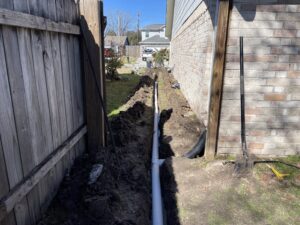
Permeable paver systems, French drains, and surface grading that moves water away from high-traffic areas can all dramatically improve the safety and usability of an outdoor space after heavy rain.
Heat management matters. In neighborhoods like Sugar Land, Pearland, and across the Beltway 8 corridor, summer afternoons can feel relentless. Accessible garden design in Houston should incorporate shaded seating areas, pergolas, or shade sails that allow homeowners to enjoy their outdoor spaces without risking heat exhaustion. Strategic tree placement — using native or well-adapted species — provides natural, long-term shade without adding maintenance burden.
Plant selection for low-effort beauty. Houston’s USDA Zone 9a/9b subtropical climate supports a wide range of plants that stay attractive year-round with minimal intervention. Native groundcovers like American beautyberry, dwarf yaupon holly, and cast iron plant are excellent choices for reducing mowing and edging. Gulf muhly grass adds seasonal color without demanding much care. These selections replace high-maintenance turf areas that become hard to manage over time.
Hard surfaces over high-maintenance lawn. In communities like Cinco Ranch, Sienna, and across the I-10 Katy Freeway corridor, homeowners are increasingly replacing turf areas adjacent to patios and entryways with pavers, flagstone, or decomposed granite — materials that stay neat, require almost no upkeep, and remain safe and accessible in all seasons.
How to Plan an Accessible Garden for Your Houston Home
Transforming an existing landscape into a senior-friendly, accessible space doesn’t have to happen all at once. Here’s a practical approach:
Step 1: Assess current hazards. Walk your property and identify problem areas — uneven stepping stones, steps without handrails, overgrown beds that narrow pathways, or areas where water collects. Make a list before any design work begins.
Step 2: Prioritize the primary route. Identify the most-used path from the home’s main entrance to the garage, vehicle access point, mailbox, or backyard seating area. This primary route should be the first focus of any accessibility upgrade — wide, smooth, well-lit, and properly drained.
Step 3: Address drainage before surface materials. Never install pathway pavers or surface materials over a drainage problem — it will make the issue worse and create unsafe, shifting surfaces over time. Correct grading and drainage first, then choose your surface.
Step 4: Add lighting throughout. Low-voltage landscape lighting along pathways dramatically improves safety during evening hours or early mornings. Pathway lights, step lights, and area lighting near seating spots are all worthwhile investments. Solar-powered options have improved significantly and can reduce installation complexity in some areas.
Step 5: Select and install accessible plantings. Replace high-maintenance beds with low-care, climate-appropriate plants suited to Houston’s heat and humidity. Raised beds can be incorporated during this phase where gardening access is a priority.
Step 6: Add comfortable, shaded rest areas. Install a pergola, shade structure, or simply position benches near existing trees to create comfortable spots to pause, rest, and enjoy the finished space.
When to Call a Professional Landscaper for Accessible Garden Design
Accessible garden design often involves more than swapping out plants or adding a stepping stone. Drainage corrections, grading, paver installation, and structural elements like pergolas and raised beds all require proper planning and execution to be both safe and lasting.
For Houston homeowners — whether you’re in The Woodlands near Lake Houston, in the Energy Corridor, or anywhere along the I-45 Gulf Freeway corridor — working with an experienced local landscaping team ensures that every element is designed and built to handle Houston’s specific soil conditions, climate, and drainage patterns.
At Danny’s Landscaping, we’ve helped families across Greater Houston create outdoor spaces that continue to serve them beautifully as their needs evolve. Our transparent four-step process starts with a free consultation where we listen carefully to your goals, assess the property, and provide a detailed, itemized quote with no surprise costs. From design through final walkthrough, our team manages every detail.
If you’re thinking about making your outdoor space safer and more accessible, we’d be glad to take a look and share some ideas. Reach out for your free consultation — there’s no obligation, just a conversation about your property and your goals.
[INTERNAL LINK: Danny’s Landscaping Landscape Design Services page] [INTERNAL LINK: Danny’s Landscaping Hardscaping / Patio Installation page]
[CTA BLOCK]
Whether you’re in Sugar Land, Cypress, Pearland, or closer to the Galleria area, Danny’s Landscaping is here to help you create an outdoor space that’s safe, beautiful, and built to last. Our family-owned team has served Greater Houston for over 30 years — and we understand what it takes to design landscapes that truly work for people’s lives. Give us a call or send a text to get started with a free estimate: (713) 514-3537
[FAQ SECTION]
Q: What is the best low-maintenance garden design for seniors in Houston? A: The most effective low-maintenance senior-friendly gardens in Houston combine wide, smooth paver pathways with raised planting beds and native or adapted low-care plants such as dwarf yaupon holly, cast iron plant, and Gulf muhly grass. Reducing or eliminating high-maintenance turf near entryways and seating areas significantly cuts down on mowing, edging, and seasonal upkeep. A professional assessment can help identify which changes will have the biggest impact on your specific property.
Q: How do I make my Houston backyard safer for an elderly parent? A: Start by addressing trip hazards — uneven pavers, narrow pathways, and areas that collect water after rain are the most common concerns. Widening key pathways to at least 36 inches, adding low-voltage pathway lighting, and improving drainage in low-lying areas are all high-impact first steps. A local Houston landscaping company familiar with the area’s clay soils and drainage patterns can evaluate your yard and recommend the right combination of improvements.
Q: How much does accessible garden design cost in Houston? A: Costs vary depending on the scope of work, property size, and specific features involved. Basic pathway improvements and raised planting beds may range from a few thousand dollars, while larger projects involving drainage corrections, pergola installation, and full garden redesigns may be significantly more. Danny’s Landscaping provides free, itemized estimates after a property consultation — so you’ll know exactly what’s involved before any work begins. All quotes are estimates subject to on-site evaluation.
Q: Can raised garden beds be added to an existing Houston landscape? A: Yes — raised beds can be incorporated into most existing landscapes with some minor adjustments to the surrounding area. In Houston, it’s important to ensure the surrounding grade and drainage are handled correctly so water doesn’t pool around the base of the beds over time. Materials like cedar, stone, and concrete block all hold up well in Houston’s humidity and heat.
Q: What plants are best for low-maintenance gardens in Houston’s climate? A: Houston’s USDA Zone 9a/9b subtropical climate supports a wide range of low-maintenance options. For foliage and groundcover, cast iron plant, dwarf yaupon holly, and Asian jasmine are reliable choices. For seasonal color with minimal care, Gulf muhly grass and American beautyberry are excellent native selections. Native plants, in particular, are adapted to Houston’s heat, humidity, and clay soils — reducing the need for supplemental watering once established.