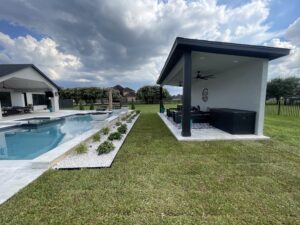
Modern Landscape Designs Blending Hardscaping and Greenery in Houston
You’ve got a backyard with potential, but right now it’s a patchwork of patchy grass, bare dirt, and a concrete slab that’s seen better days. Sound familiar? Across Greater Houston — from Katy to Pearland to the neighborhoods surrounding Memorial Park — homeowners are discovering that the most beautiful and functional outdoor spaces aren’t purely planted or purely paved. They’re a thoughtful combination of both.
Blending hardscaping and greenery is the design philosophy behind the outdoor transformations that stop neighbors in their tracks. It’s about creating spaces that are as practical as they are pleasing — patios that flow into lush gardens, walkways that wind through seasonal plantings, retaining walls softened by trailing ground covers and ornamental grasses.
At Danny’s Landscaping, we’ve spent over 30 years helping Greater Houston families design and build exactly these kinds of spaces — combining structure, beauty, and climate-smart plant choices that actually thrive here.
SECTION 1 — EDUCATIONAL
What Is the Hardscaping and Greenery Design Approach — and Why Does It Work?
Hardscaping refers to the non-living elements of a landscape: patios, walkways, retaining walls, pergolas, edging, and decorative stone or gravel. Greenery, of course, is everything that grows — turf, trees, shrubs, ornamental grasses, flowering perennials, and garden beds. Individually, each has its place. Together, they create something more than the sum of their parts.
The design principle behind blending the two is balance. A yard that’s all hardscape can feel cold, industrial, and heat-radiating — particularly punishing during Houston’s summers when surface temperatures soar. A yard that’s all lawn and planting beds, while beautiful, can lack the structure and usable square footage that modern families need for entertaining, cooking outdoors, or simply relaxing.
The most successful modern landscapes use hardscape elements to define spaces and create flow, while greenery softens edges, provides shade, adds texture, and brings the space to life through seasonal change. A flagstone patio bordered by ornamental grasses and flowering shrubs. A decomposed granite pathway lined with native perennials. A pergola anchored by climbing vines. These combinations create layered, livable environments that look intentional and feel genuinely inviting.
This approach also has very practical advantages when it comes to maintenance and long-term value. Well-placed hardscaping reduces the total lawn area that needs mowing and irrigation, while strategically positioned trees and shrubs can provide natural shade that lowers cooling costs and reduces heat island effect on paved surfaces.
SECTION 2 — HOUSTON CONTEXT
How Houston’s Climate and Soil Shape the Best Hardscaping and Greenery Combinations
Houston’s environment is one of the most demanding for landscape design in the country, and understanding it is essential to creating an outdoor space that actually holds up. Greater Houston sits in USDA Hardiness Zones 9a and 9b, with a subtropical Gulf Coast climate that means hot, humid summers regularly pushing past 95°F, mild winters punctuated by occasional hard freezes, and a rainfall pattern that swings between drought and deluge — sometimes within the same week.
Beneath the surface, Houston’s notorious clay-heavy soil expands when saturated and contracts when dry, creating heave-and-crack cycles that can shift hardscape elements over time if installation isn’t done thoughtfully. Homeowners near Barker Reservoir and along the I-10 Katy Freeway corridor know this better than most — the combination of flat topography, clay substrate, and proximity to drainage infrastructure means that standing water after a storm isn’t just inconvenient, it’s a design factor that has to be addressed from the start.
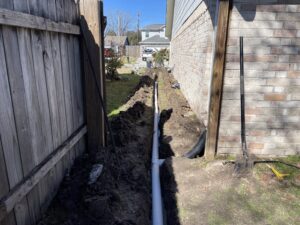
This is why the best hardscaping and greenery combinations in Houston are designed with drainage as a foundational priority — not an afterthought. Permeable pavers, French drains integrated into planting beds, and graded surfaces that direct water away from structures and toward the street or bayou drainage systems are all tools that experienced Houston landscapers incorporate from the planning stage.
For greenery, the Houston climate rewards plants that can handle both the heat and the occasional hard freeze. In areas like Sugar Land, Cinco Ranch, and along the TX-99 Grand Parkway corridor, homeowners who commit to climate-appropriate selections — things like Gulf muhly grass, dwarf yaupon holly, crape myrtles, liriope, and native perennials like Turk’s cap and fall aster — end up with landscapes that look great with far less intervention than exotic or non-adapted plants require.
Neighborhoods closer to the coast, like Friendswood and League City, deal with higher salt content in the air and soil, which further narrows the plant palette and puts a premium on durable, weather-resistant hardscape materials like concrete pavers, natural stone, and powder-coated steel edging that can handle the conditions without premature deterioration.
SECTION 3 — HOW-TO / DESIGN GUIDANCE
How to Design a Hardscaping and Greenery Blend That Works for Your Outdoor Space
Whether you’re starting from scratch or refreshing an existing yard, the following approach gives you a strong foundation for creating a blended landscape that’s both beautiful and practical.
Step 1: Define how you actually want to use the space. Before choosing a single paver or plant, get specific about how your family uses — or wants to use — the outdoors. Is the priority entertaining and dining? A play area for kids? A quiet garden retreat? Vegetable gardening? Privacy from neighbors? Your answers shape everything from the size and placement of hardscape areas to the type of plantings that will frame them.
Step 2: Map your sun, shade, and drainage patterns. Walk your yard at different times of day and note where full sun hits, where shade falls from the house or existing trees, and where water pools after rain. Houston’s intense summer sun means west-facing patios can become nearly unusable by late afternoon without shade structures or tree coverage. Low spots in the yard will need drainage solutions — either grading, French drains, or surface drainage channels — before any hardscape goes down.
Step 3: Lay out hardscape zones first. Hardscape elements anchor the design. Establish your patio or entertaining area first, then work outward. Think about flow: how will people move from the back door to the patio, from the patio to the yard, from the yard to any outbuilding or garden area? Pathways aren’t just functional — they’re design elements that can add visual interest and define garden zones.
Step 4: Use plant material to soften, frame, and fill. Once hardscape is established, choose plantings that complement the materials and the scale of the space. Large, bold-textured plants (elephant ears, agaves, ornamental grasses) work well near substantial hardscape elements. Fine-textured plants (muhly grass, jasmine, liriope) soften edges and fill gaps along walkways and borders. Layer plant heights for depth — groundcovers at the base, mid-size shrubs in the middle, small trees or tall grasses at the back.
Step 5: Plan for irrigation and lighting from the start. Retrofitting irrigation and outdoor lighting after hardscape is installed is expensive and disruptive. Plan both systems during the design phase. Drip irrigation or targeted spray heads in planting beds reduce water waste and can be zoned separately from turf areas. Landscape lighting — path lights, uplights in trees, step lighting — extends the usability of outdoor spaces into the evening hours and adds significant visual impact at night.
Step 6: Choose materials that work together and suit the home’s style. The best blended landscapes feel cohesive. Natural limestone or travertine pavers have a warm tone that pairs beautifully with lush tropical plantings. Concrete pavers in a cool gray read more contemporary and complement ornamental grasses and clean-lined shrubs. Brick, which is common in many Houston Heights and Bellaire homes, works well with cottage-style plantings and traditional garden layouts. Let the house lead, and let the hardscape materials and plant choices follow.
SECTION 4 – WHEN TO CALL A PROFESSIONAL
When a Professional Landscaper Makes the Difference
DIY landscaping has its place — refreshing a flower bed, laying a small section of mulch, or replacing a few plants are all reasonable weekend projects. But blending hardscaping and greenery in a cohesive, durable, and drainage-smart way that holds up in Houston’s climate is a different level of undertaking.
The most common issue we see when we’re called to help with a landscape that wasn’t professionally designed is that the hardscape and plantings were selected independently — beautiful patio pavers with no thought given to where rainwater goes, or a lush garden bed that’s slowly undermining a patio edge because soil and mulch were piled against the foundation. These problems are costly to fix after the fact and far easier to prevent with upfront planning.
For homeowners across Greater Houston — whether you’re in The Woodlands planning a full backyard renovation, in Cypress updating curb appeal before putting your home on the market, or in Meyerland or Tanglewood working with a mature landscape that needs thoughtful refreshing — having a professional eye on the project from the beginning pays dividends throughout the life of the landscape.
At Danny’s Landscaping, we’ve been working in this market for over 30 years. We understand Houston’s clay soil, its drainage challenges, its heat, and its plant palette. Our in-house 2D and 3D design capability means you can see your blended hardscape and greenery design before a single shovel goes in the ground. And our transparent, four-step process — consultation, design, itemized quote, installation — means no surprises and clear communication at every stage.
If you’re ready to talk through what’s possible for your outdoor space, we’d love to take a look. Schedule your free consultation or reach out for a no-obligation estimate — we’re happy to come out and walk the property with you.
[CTA BLOCK]
Whether you’re dreaming of a new patio surrounded by lush landscaping or looking to finally solve drainage problems while adding real curb appeal, Danny’s Landscaping is here to help. We serve homeowners and businesses across Greater Houston — from Katy and Sugar Land to Pearland, Cypress, and everywhere in between. Every project starts with a free consultation and a transparent, itemized estimate so you know exactly what to expect. Give us a call or send us a text at (713) 514-3537 — we’d love to help you design an outdoor space you’ll actually use and enjoy.
[FAQ SECTION]
Q: How much does hardscaping cost in Houston, TX? A: Hardscaping costs in Houston vary widely depending on the scope, materials, and size of the project. A basic concrete paver patio might start around $15–$25 per square foot, while natural stone, custom pergolas, or larger outdoor living areas will range higher. The best way to get an accurate number for your specific yard is to request a free, itemized estimate — every property and project is different, and a site visit allows for an honest, transparent quote.
Q: What plants work best with hardscaping in Houston’s climate? A: Houston’s heat, humidity, and clay soil favor tough, adaptable plants that can handle both drought and occasional flooding. Great options for pairing with hardscape include Gulf muhly grass, dwarf yaupon holly, crape myrtles, liriope, lantana, Turk’s cap, and native perennial wildflowers. These selections provide color, texture, and year-round structure without demanding the intensive care that less-adapted plants require in our climate.
Q: How do I prevent drainage problems with a new patio or hardscape in Houston? A: Drainage planning is one of the most important parts of any Houston hardscape project. The key steps include proper grading to direct water away from structures, using permeable or semi-permeable materials where appropriate, and integrating French drains or surface drainage channels into the design. Houston’s flat topography and clay-heavy soil make these steps especially important — poorly drained hardscape can lead to pooling, foundation issues, and damaged plantings. A professional landscaper familiar with Houston’s conditions can address drainage as part of the initial design.
Q: Can I add hardscaping to my existing landscaping without starting over? A: In most cases, yes. Hardscaping can be introduced to a mature landscape in phases — adding a patio, walkway, or retaining wall without removing everything that’s already there. The key is making sure that the new hardscape element integrates well with existing grades, drainage patterns, and plantings. A landscape professional can evaluate what’s already in place and design additions that work with the existing layout rather than against it.
Q: What’s the difference between hardscaping and softscaping? A: Hardscaping refers to the non-living, structural elements of a landscape — patios, walkways, retaining walls, pergolas, edging, and decorative stone or gravel. Softscaping refers to all the living elements: grass, trees, shrubs, flowers, ground covers, and garden beds. The most functional and visually appealing outdoor spaces typically blend both — hardscape elements provide structure, usable space, and definition, while softscape elements bring color, texture, shade, and seasonal change.