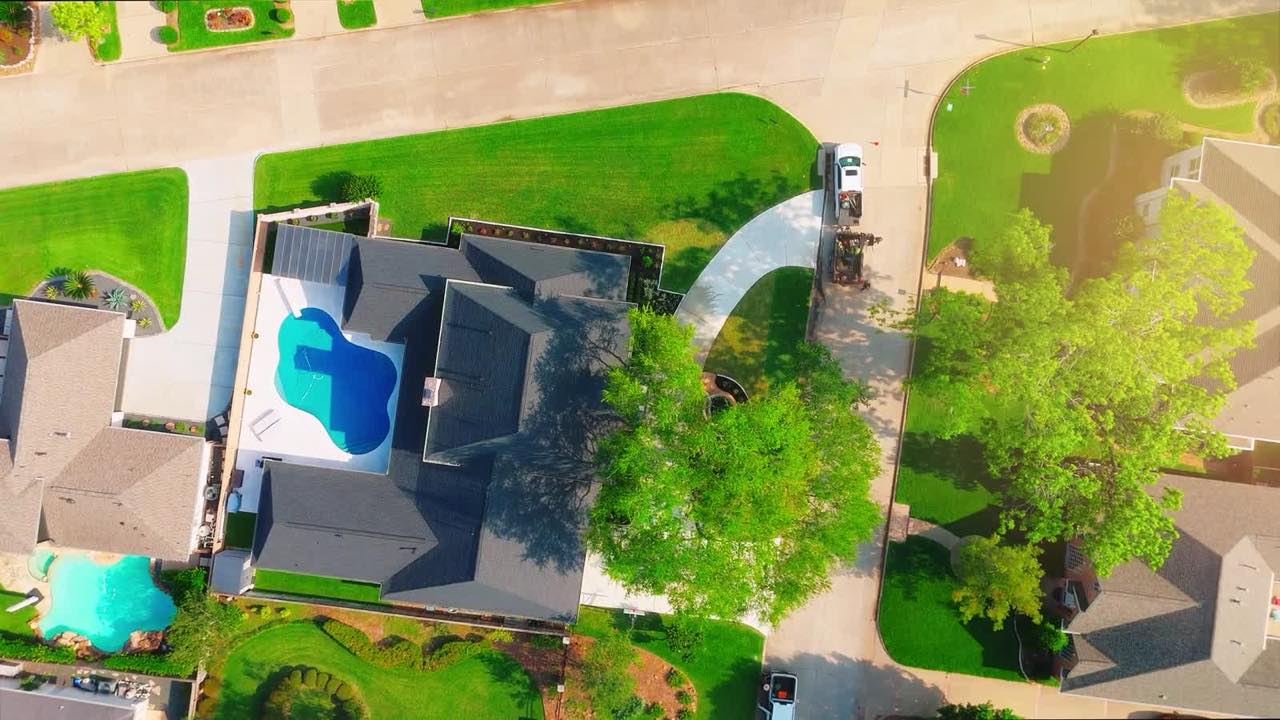
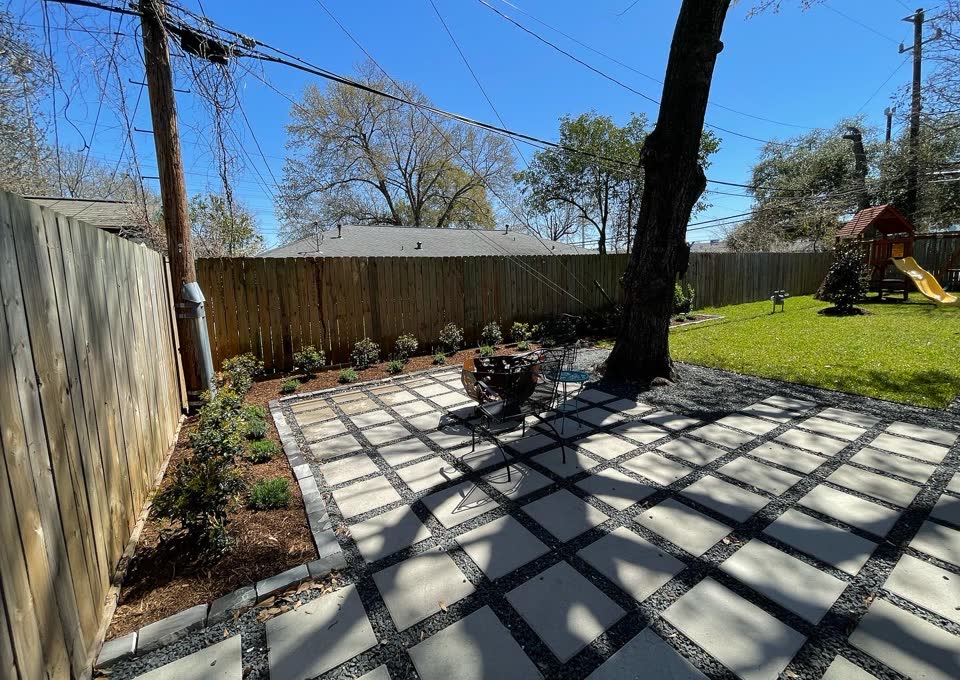
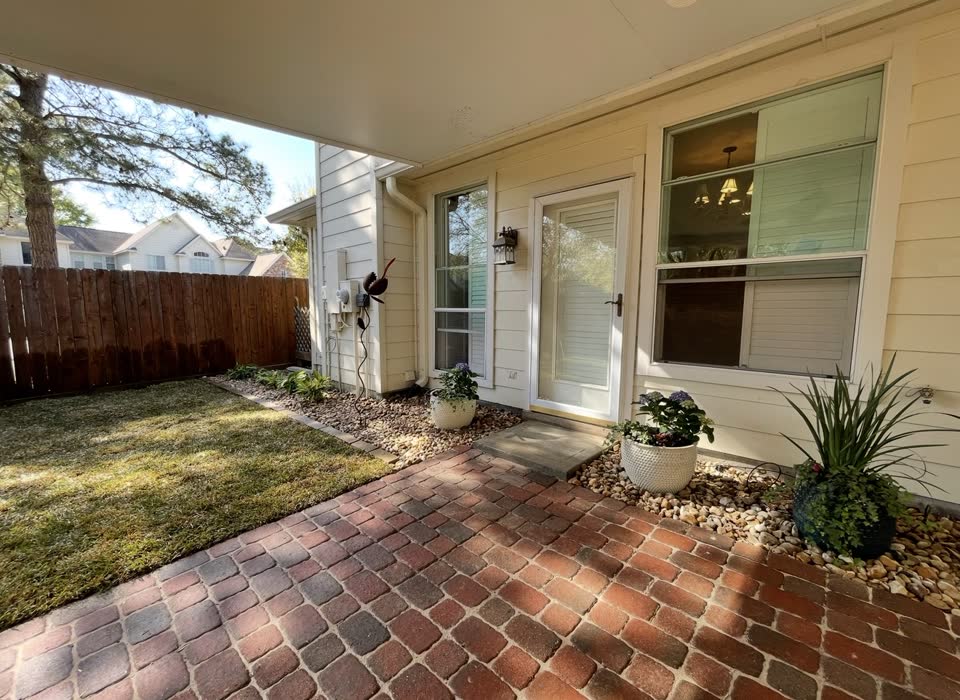
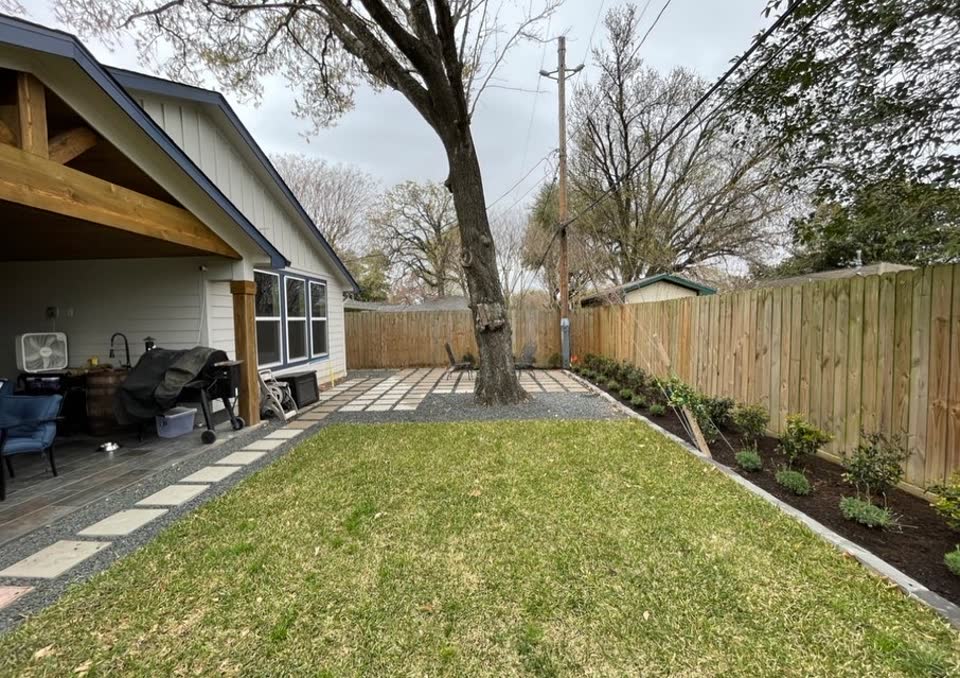
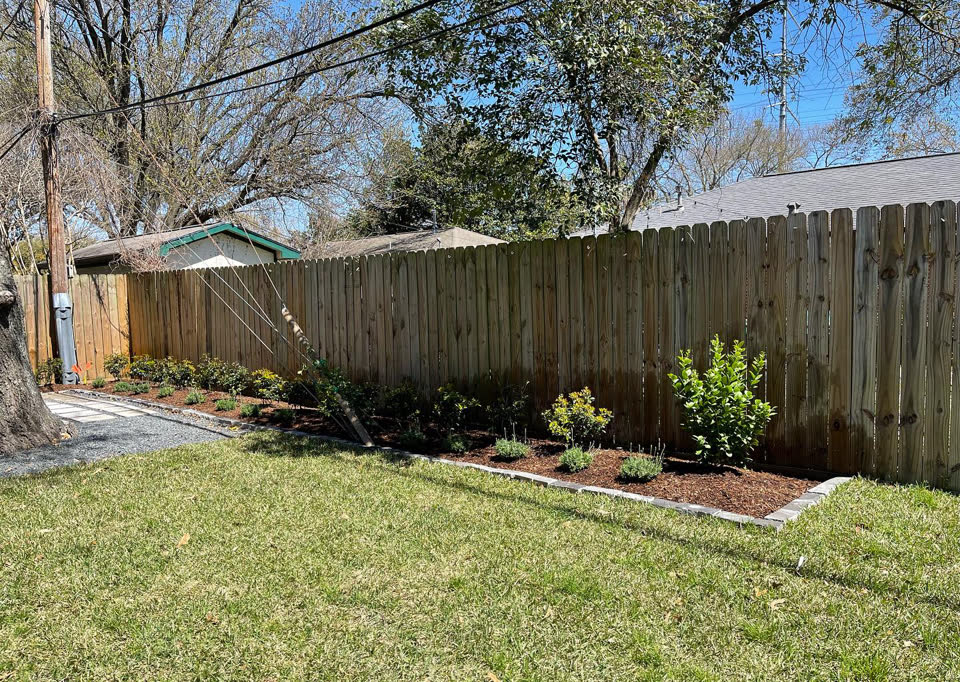
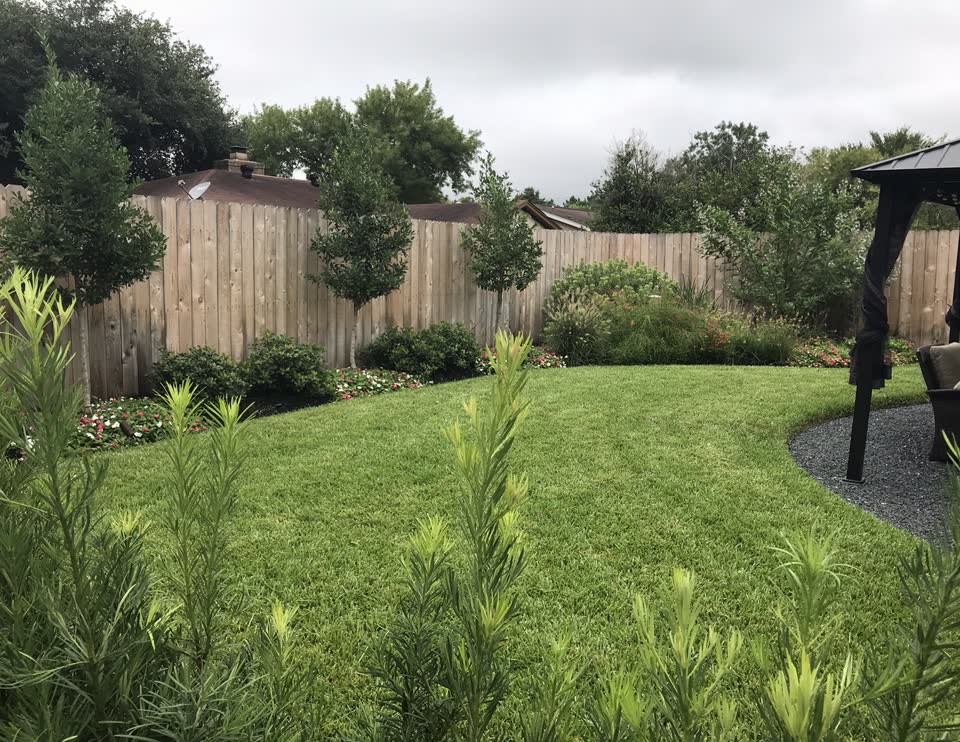
This is a remarkable transformation of a plain small backyard. The plants and beautiful crepe Myrtles. Professional stone work.
Jennifer Taylor
Google review

 Houston & Greater Houston
Landscaping in Houston has to handle clay soil, Gulf heat, and sudden heavy rain — not just a plant list. Danny's Landscaping is a family-owned design-build company that plans and installs outdoor spaces for real Houston conditions, from the first walk-through to the final walkthrough.
Free consultation. 2D and 3D design. Itemized quote before dig. We serve homeowners, builders, and commercial properties across Houston and Greater Houston.
danny@dannyslandscapingtx.com
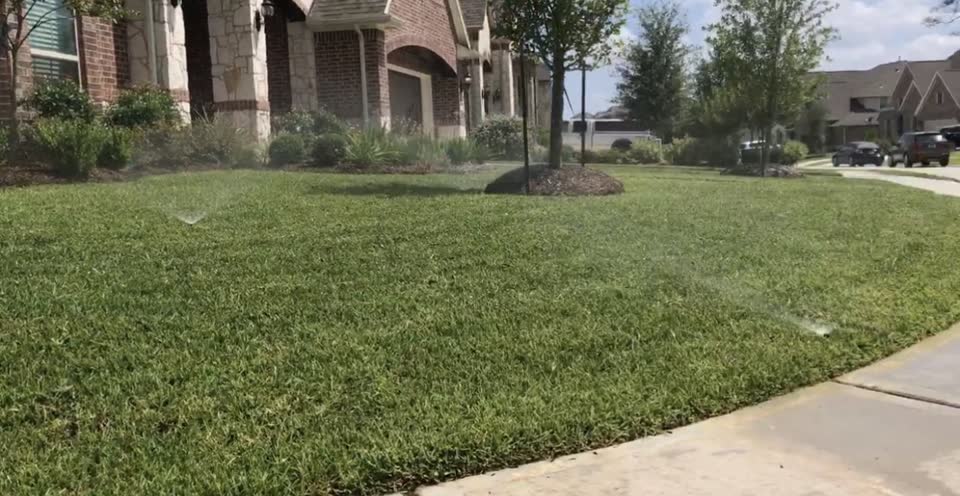
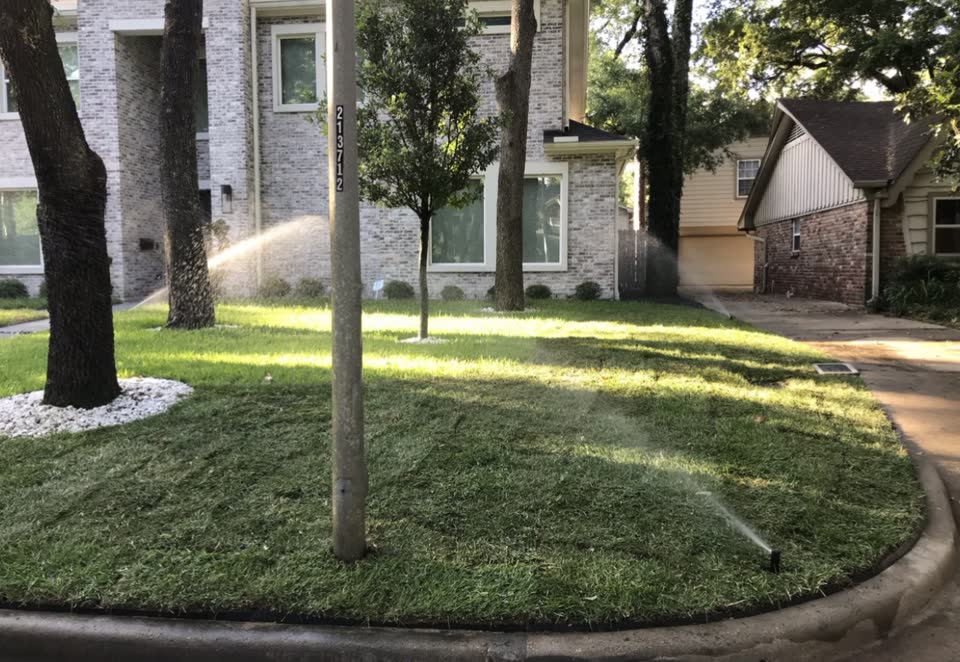
 Grading and Sod Installation New ProjectDanny's Landscaping
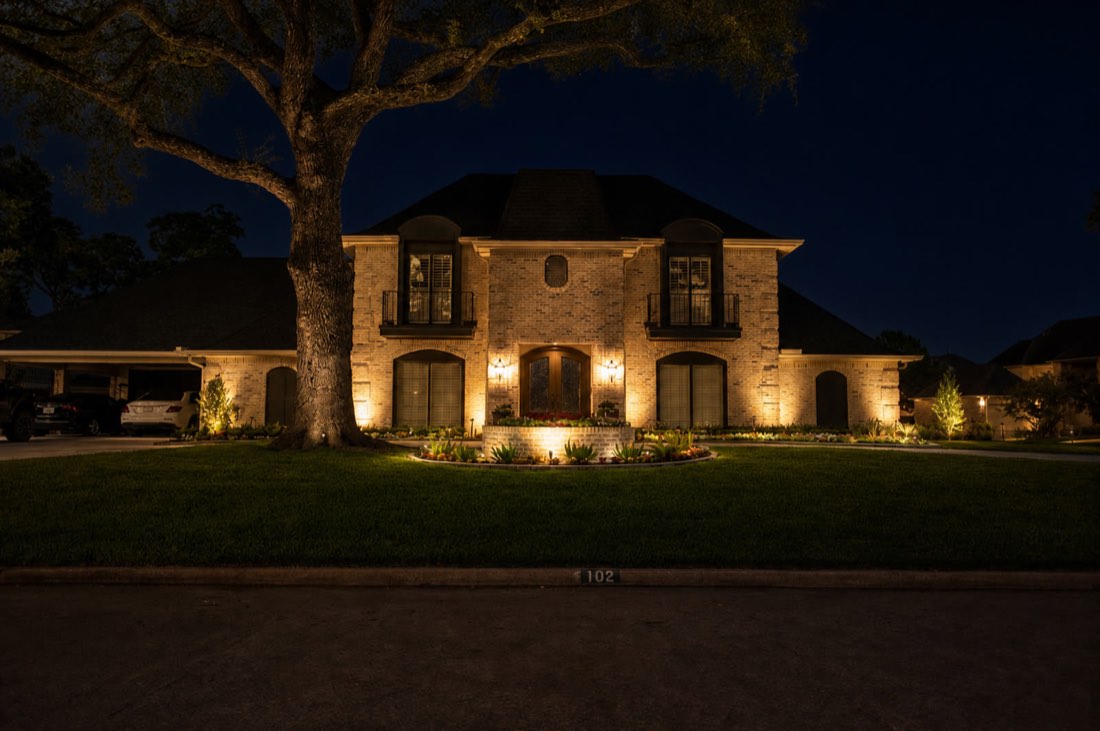
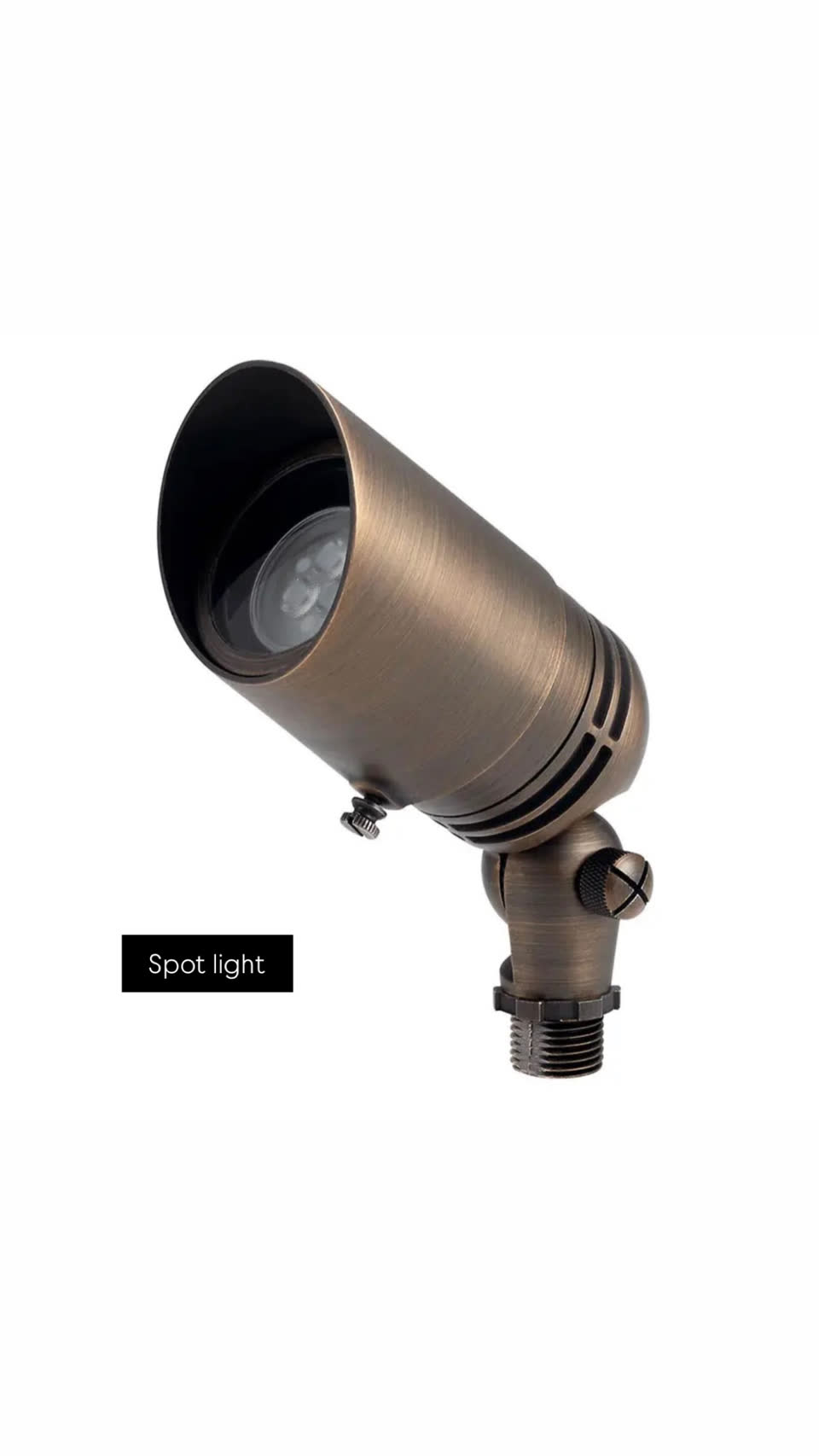
 Outdoor Lighting System InstallationDanny's Landscaping
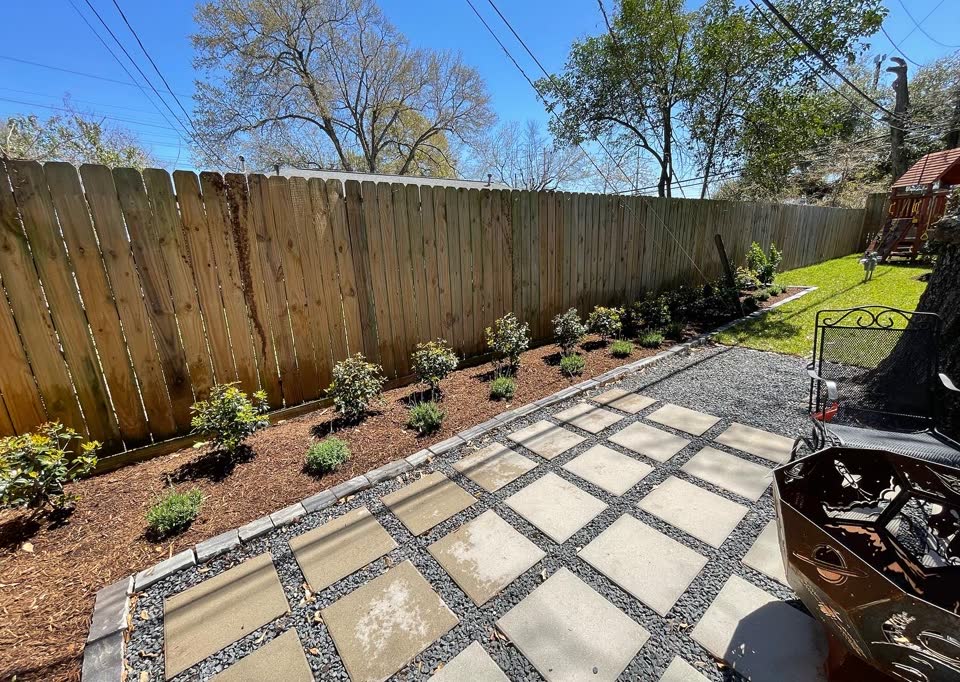
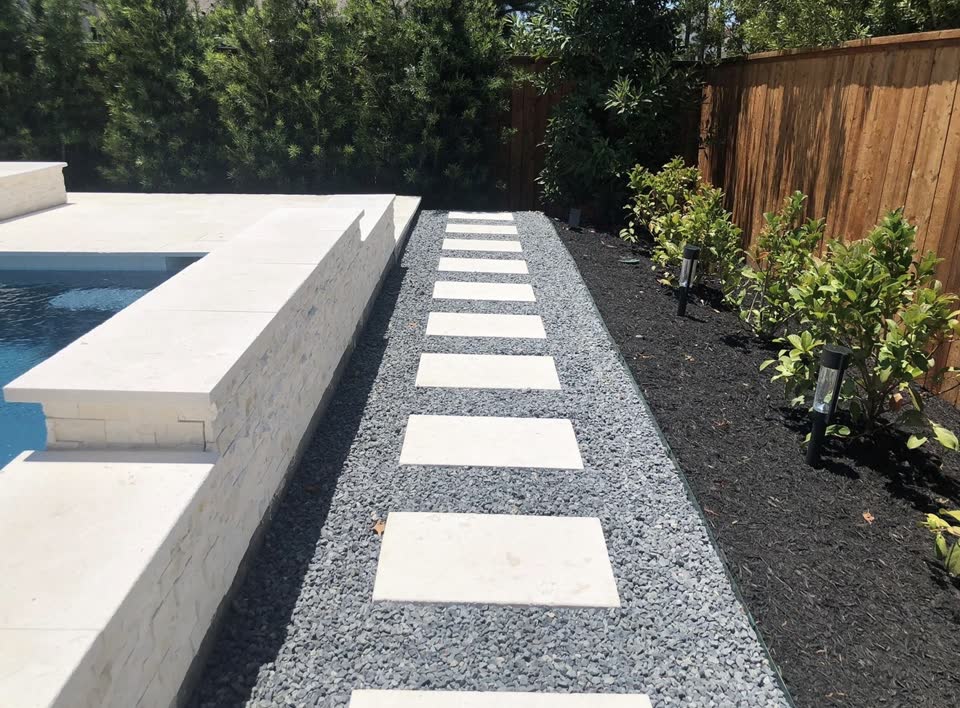
 Paver and Gravel WalkwayDanny's Landscaping
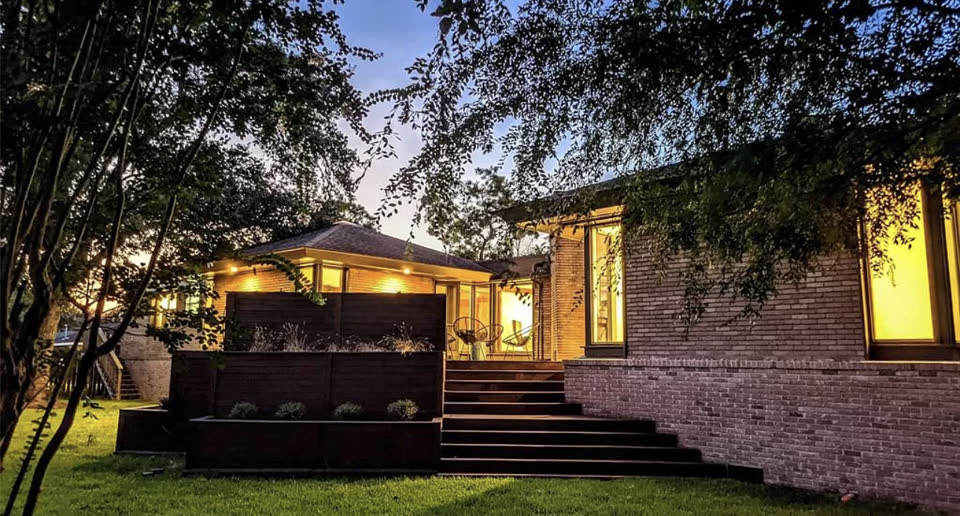
 Back Yard Curb AppealDanny's Landscaping
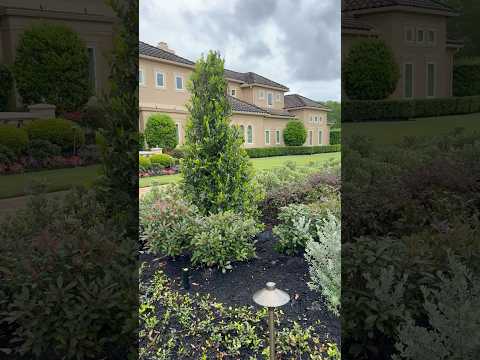 Our Biggest Project This YearDanny's Landscaping
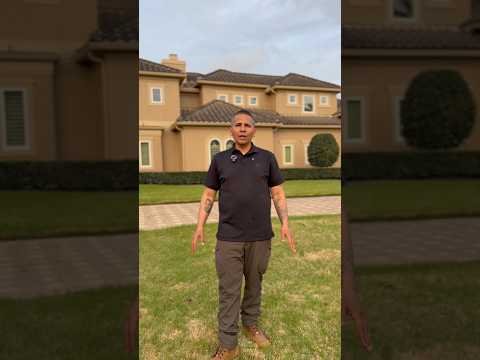 Proudly Serving Greater HoustonDanny's Landscaping
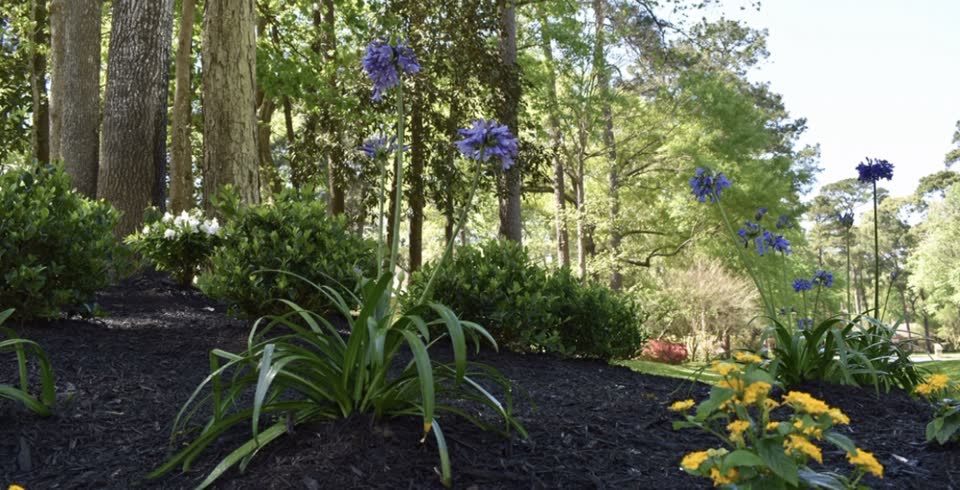
 Back Yard Landscaping in The WoodlandsDanny's Landscaping
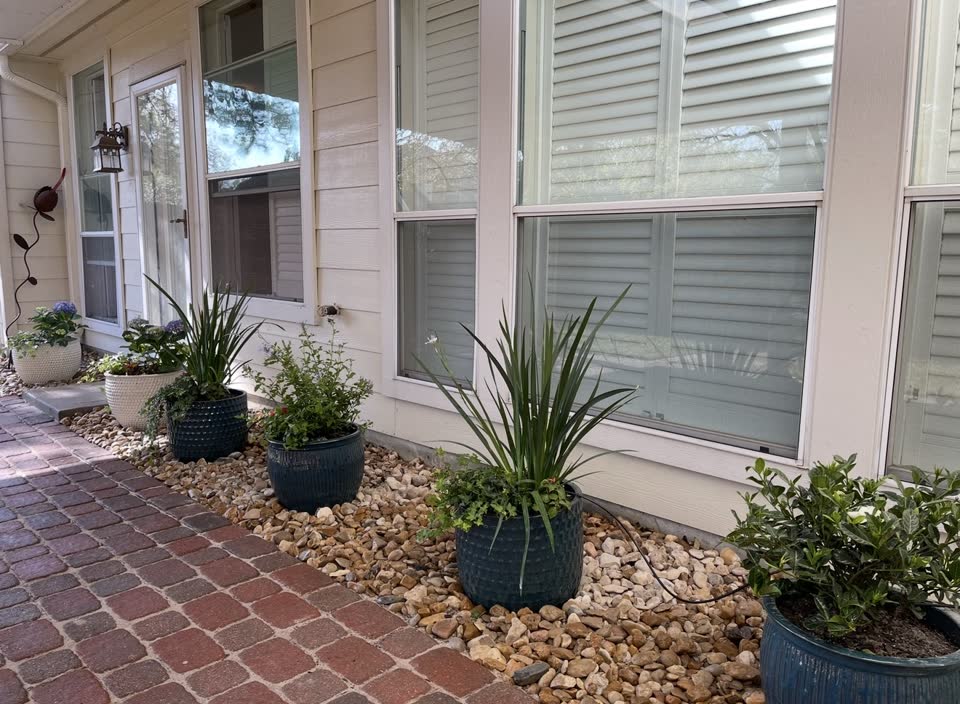
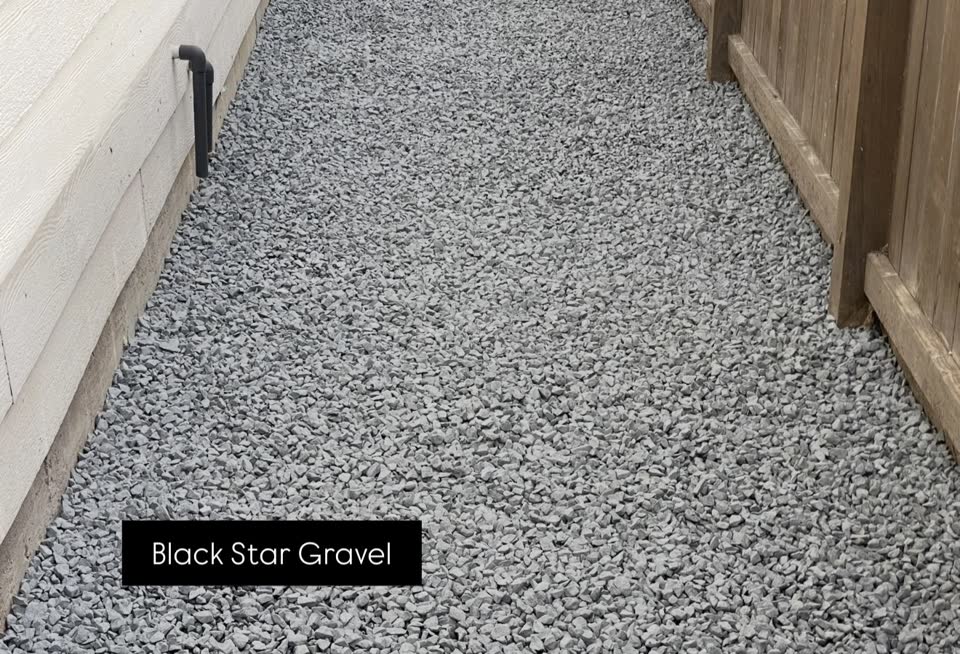
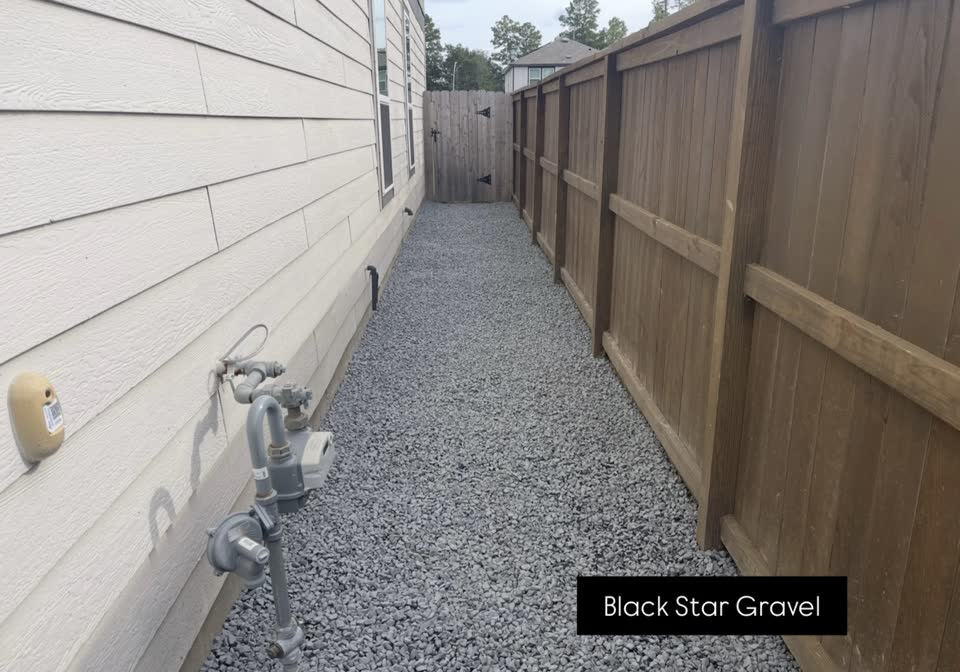
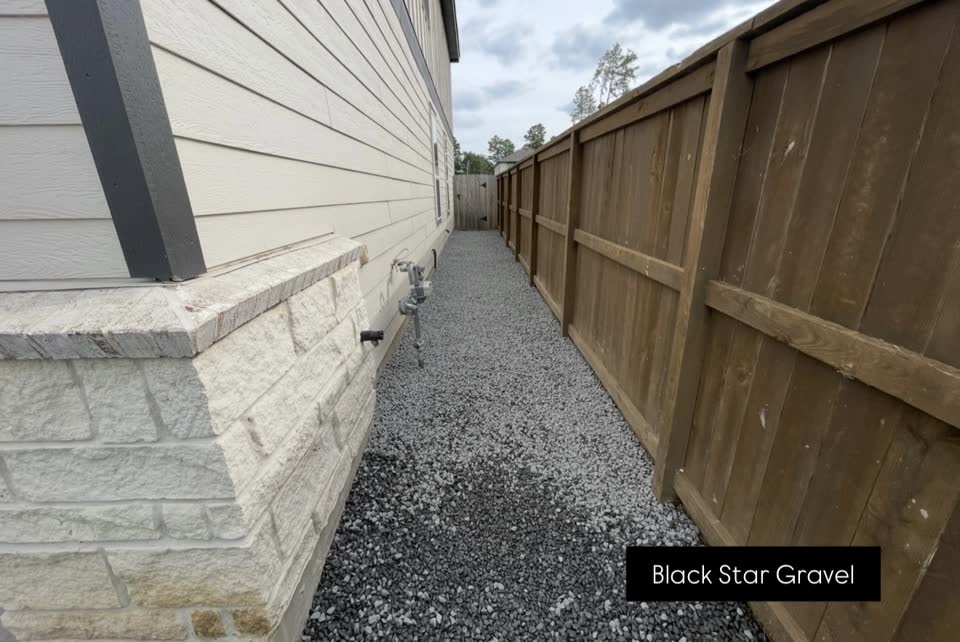
 Black Star Gravel Side YardDanny's Landscaping
 Low-maintenance landscape projectDanny's Landscaping
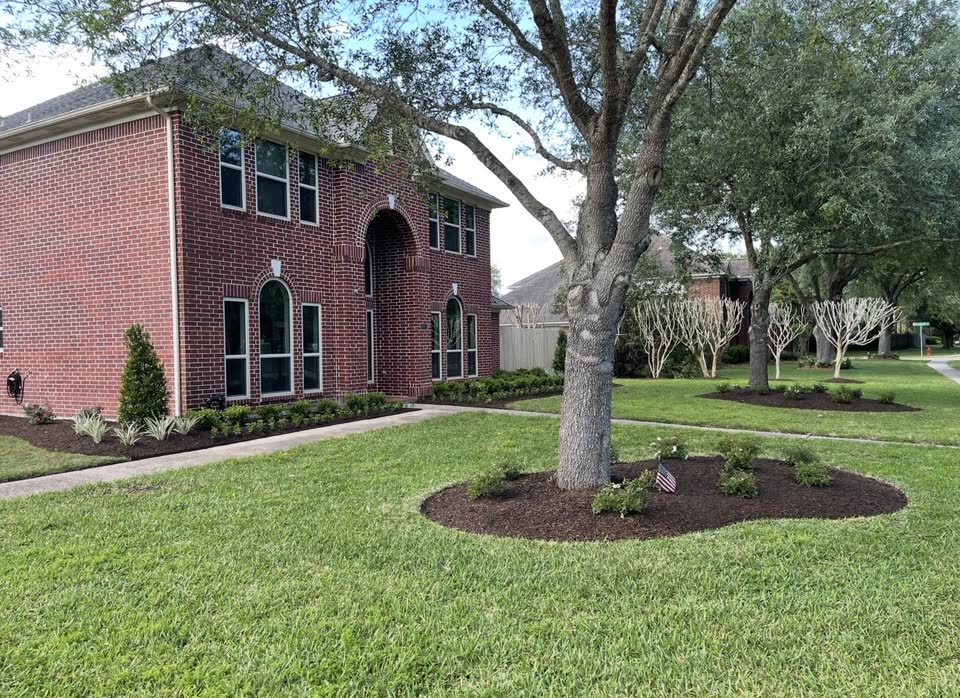
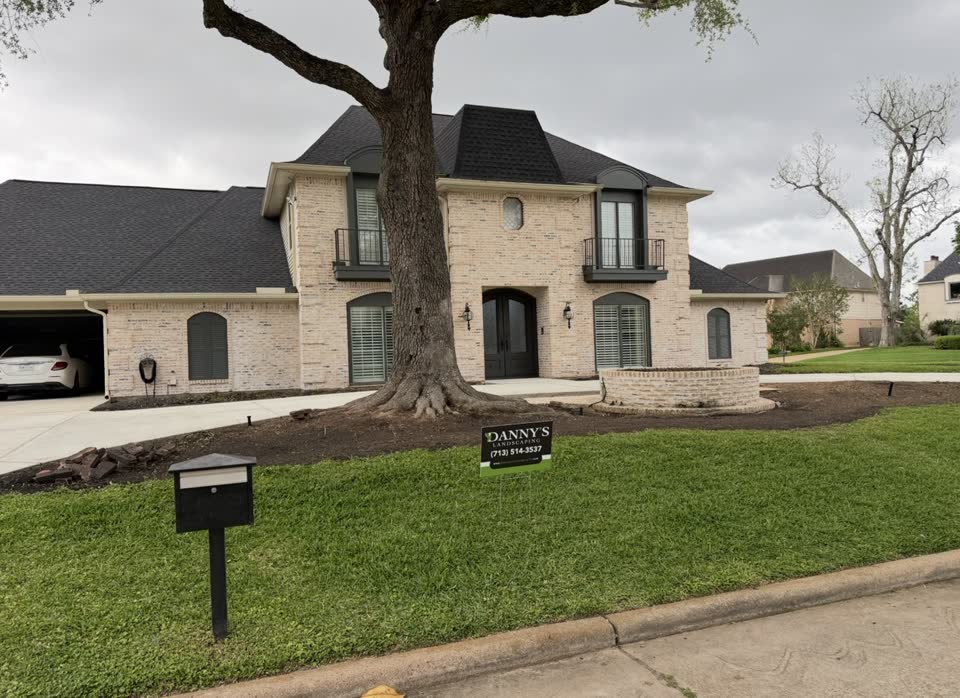
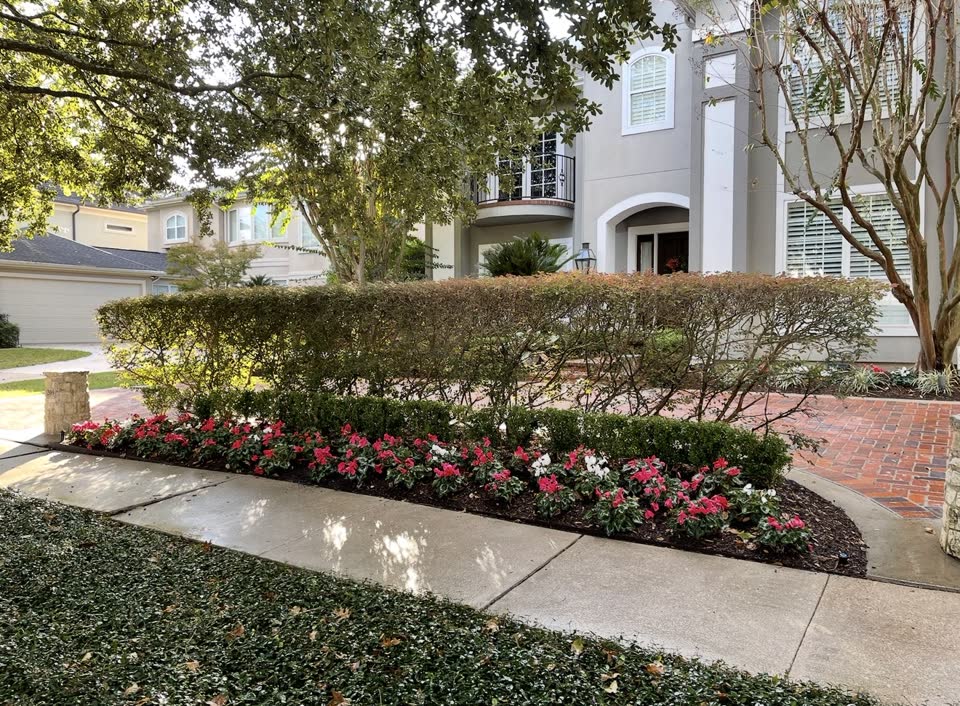
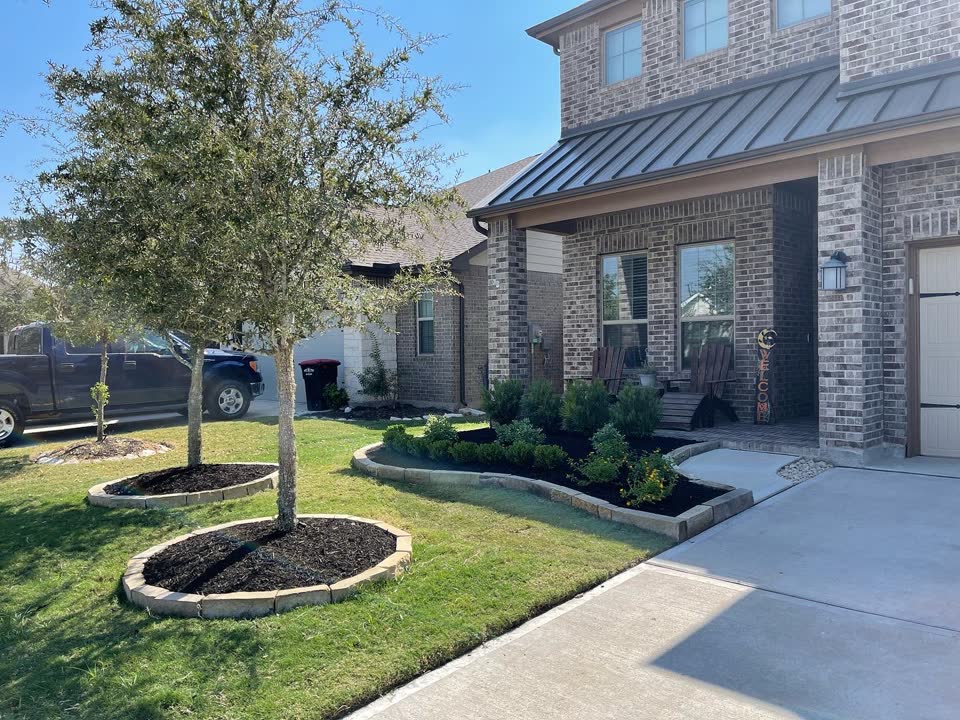
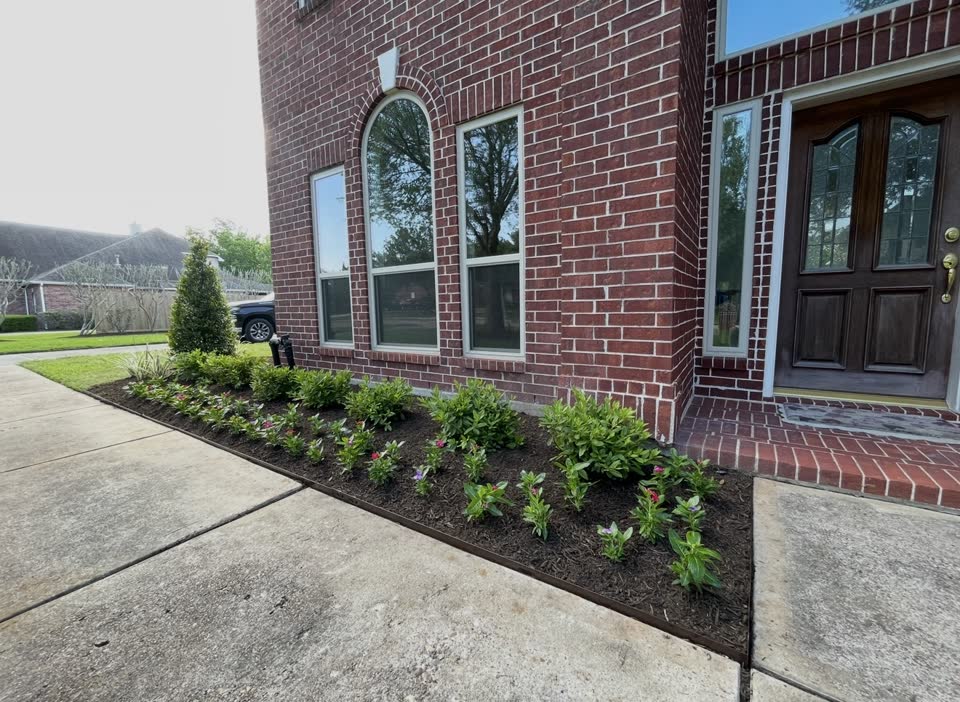
 New front yard landscaping projectDanny's Landscaping
 Full Front Yard Landscaping TransformationDanny's Landscaping
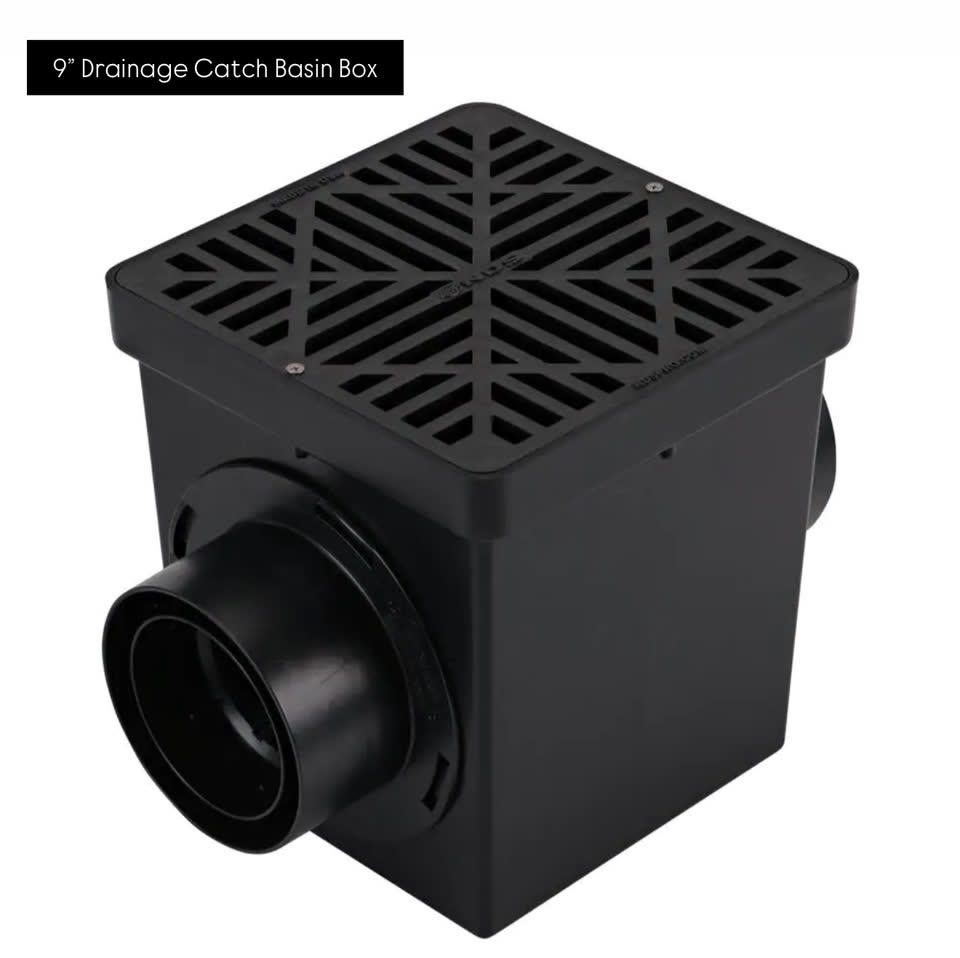
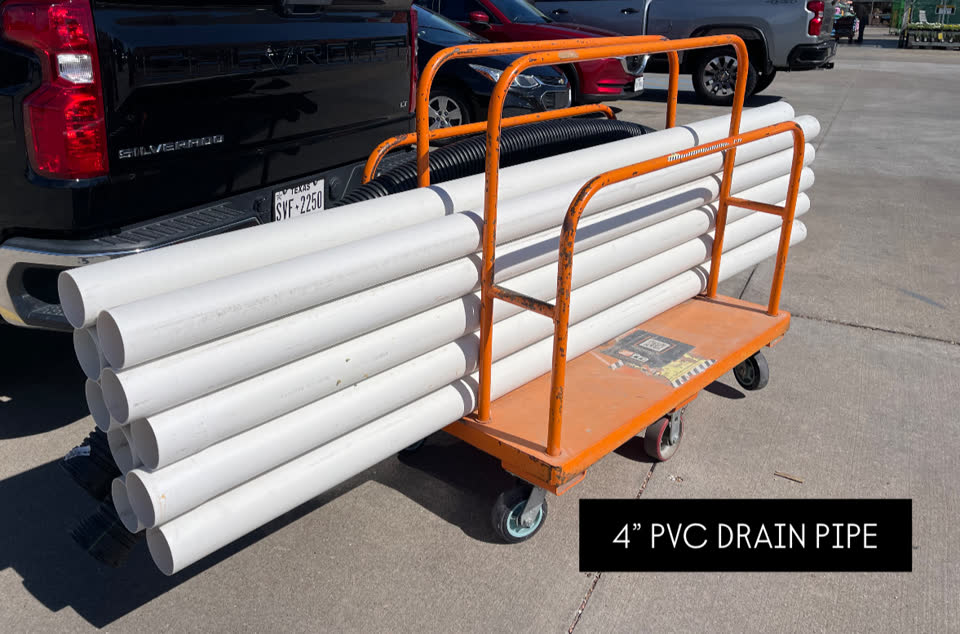
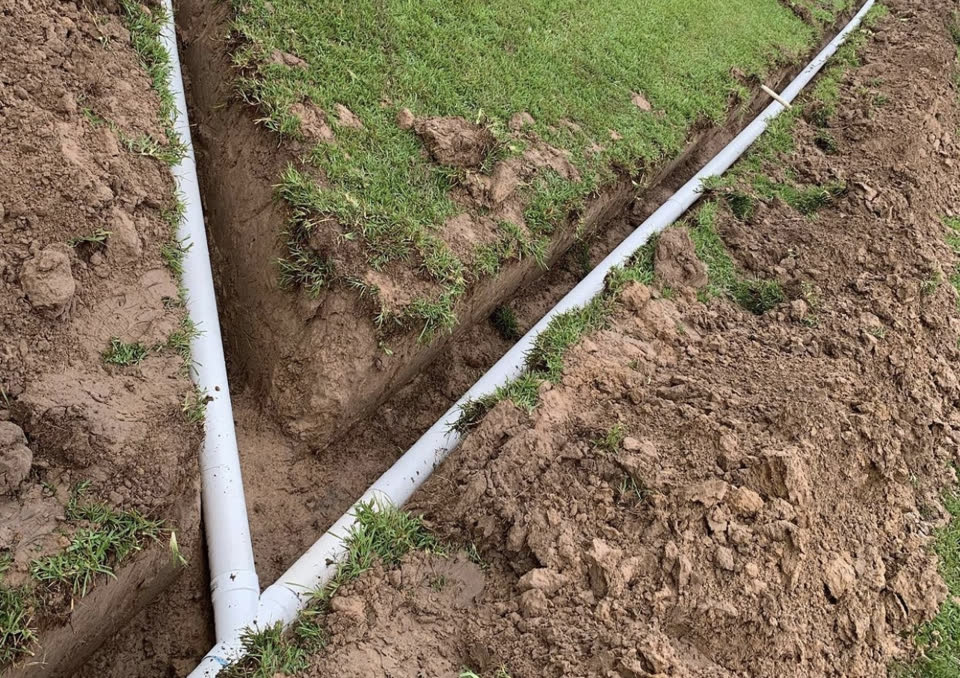
 New drainage system installation completedDanny's Landscaping
 Drainage System Installation in Katy, TXDanny's Landscaping
 Outdoor Lighting Installation HoustonDanny's Landscaping
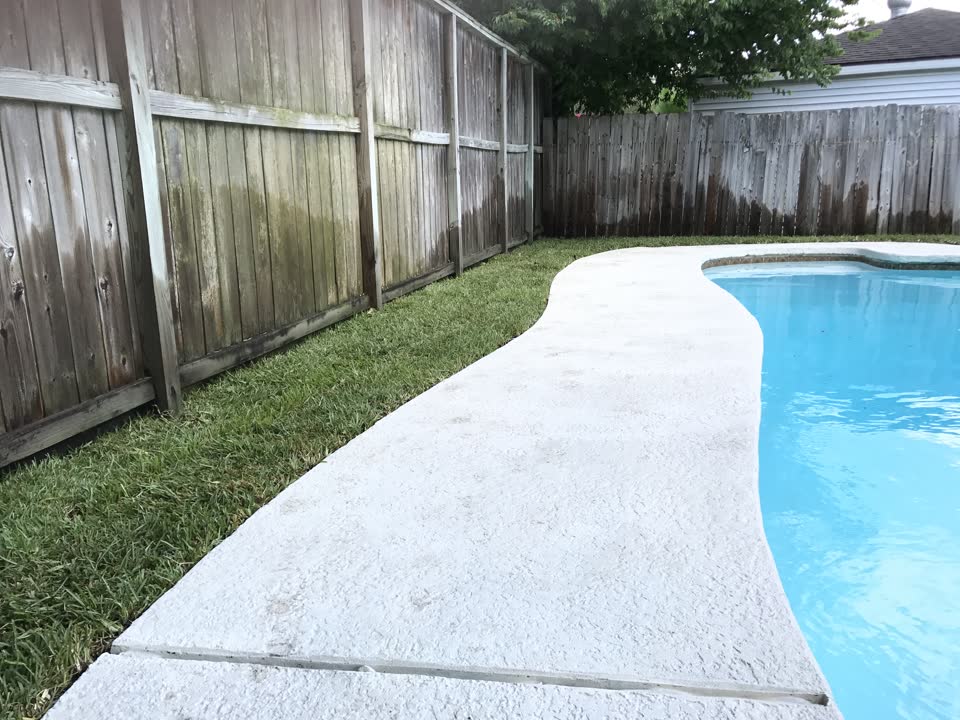
 Pool Landscaping Transformation in Katy, TXDanny's Landscaping
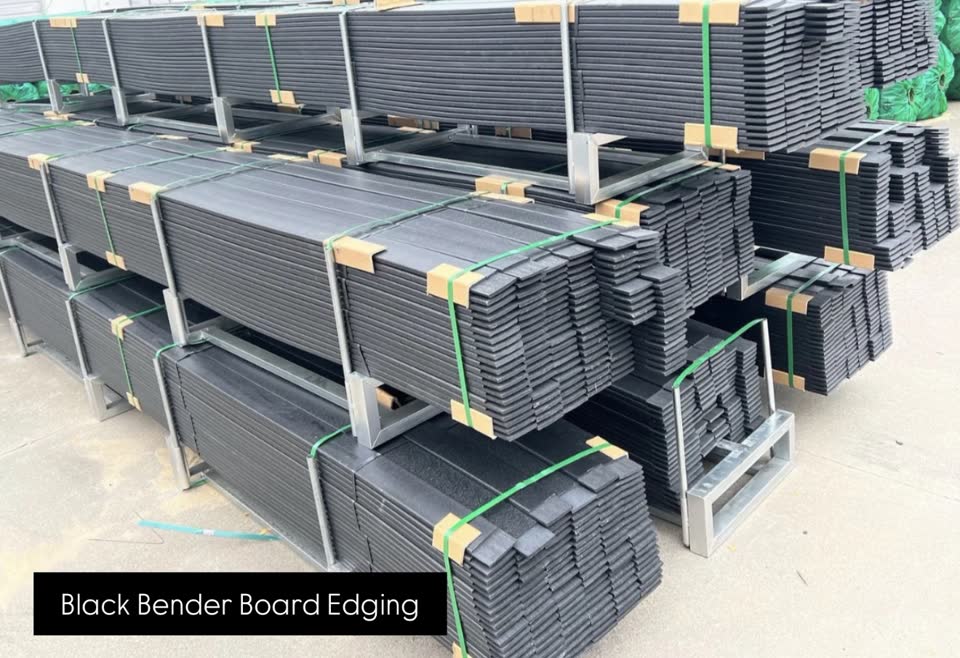
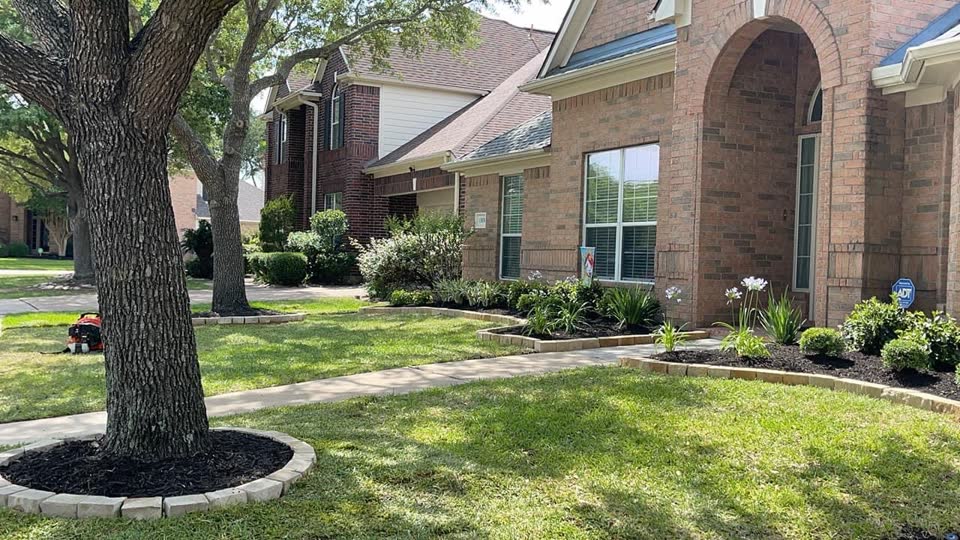
 Custom Stone Border Edging in Houston, TXDanny's Landscaping
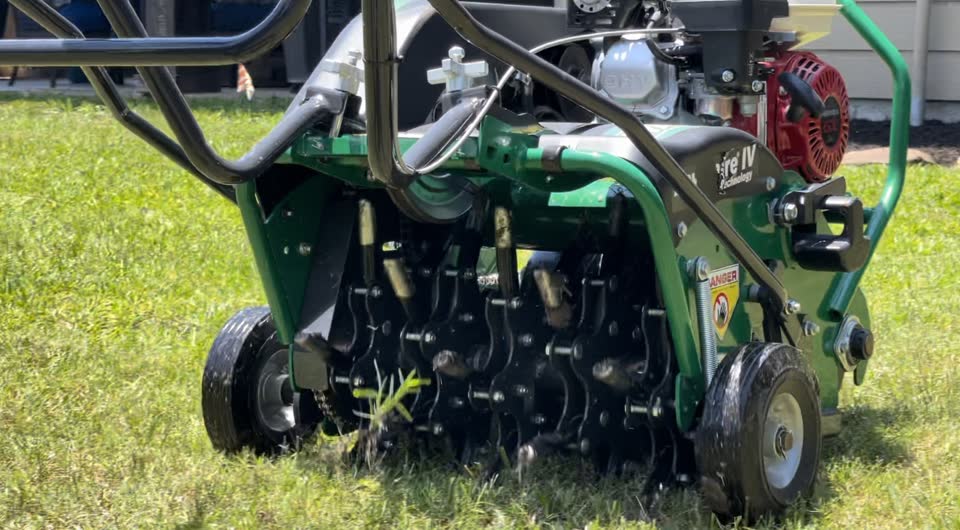
 Fall Seasonal Maintenance ServiceDanny's Landscaping
 French garden backyardDanny's Landscaping
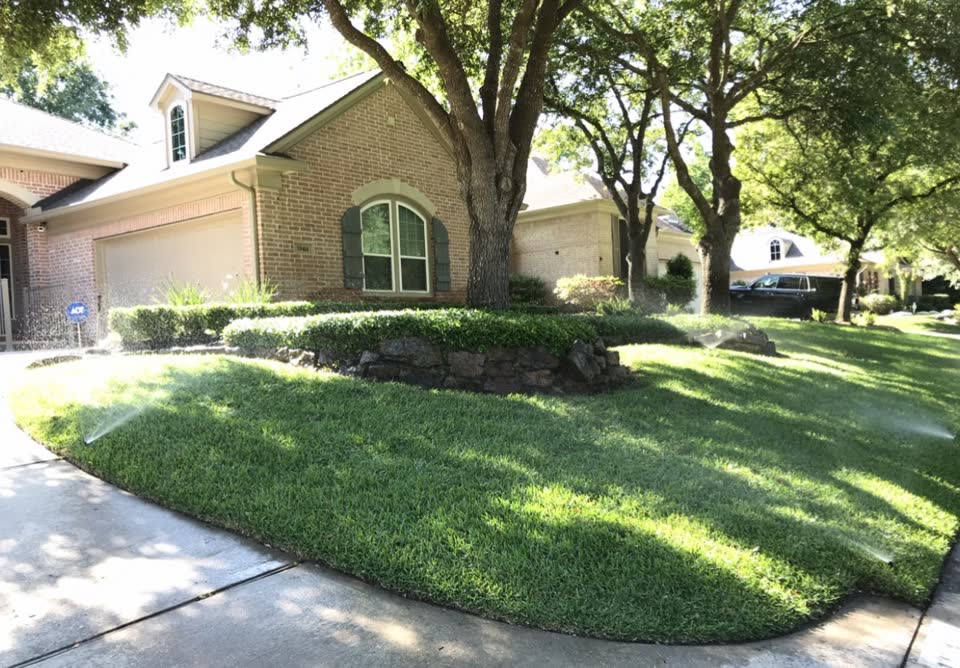
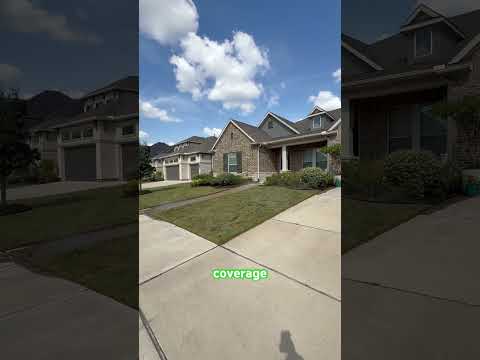 Bermuda Lawn Top DressingDanny's Landscaping
 Top Dressing Bermuda LawnDanny's Landscaping
Grading and Sod Installation New Project
Danny's Landscaping
key takeaways
Danny's Landscaping is a family-owned design-build company for landscaping in Houston and Greater Houston. We create custom 2D and 3D designs, then install the full outdoor package: landscape, hardscaping, lighting, irrigation, drainage, and curb appeal, so everything works together on your property.
You receive a free consultation and a detailed itemized quote before any work begins. The process is simple: consultation → custom design and quote → professional installation → final walkthrough. Licensed LI0029564. Not a lawn-care mowing route.
Call or text (713) 514-3537 or email danny@dannyslandscapingtx.com.
real reviews from houston homeowners
Homeowners keep mentioning the same things: clear communication, quality work, and a team that actually shows up when they say they will. Here's what they wrote, and two reviews on camera.
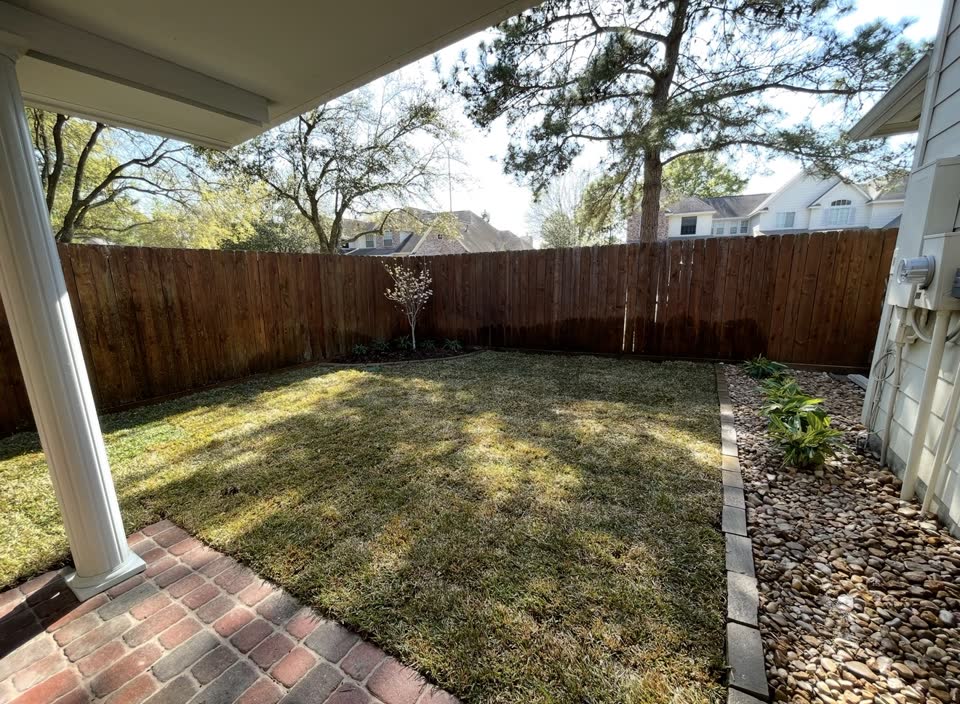
This is a remarkable transformation of a plain small backyard. The plants and beautiful crepe Myrtles. Professional stone work.
Jennifer Taylor
Google review
Danny's team did a great job replacing our concrete walkway with cobblestone. They were attentive to details and made sure the adjoining landscape was cleaned up and manicured to look amazing.
Ivan Sue
Google review
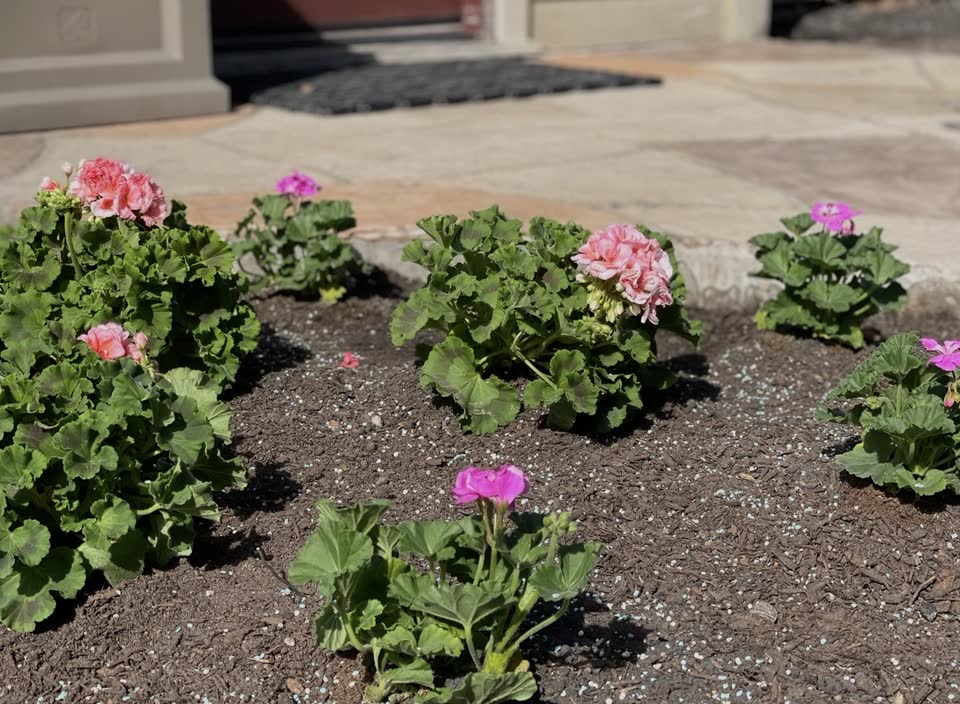
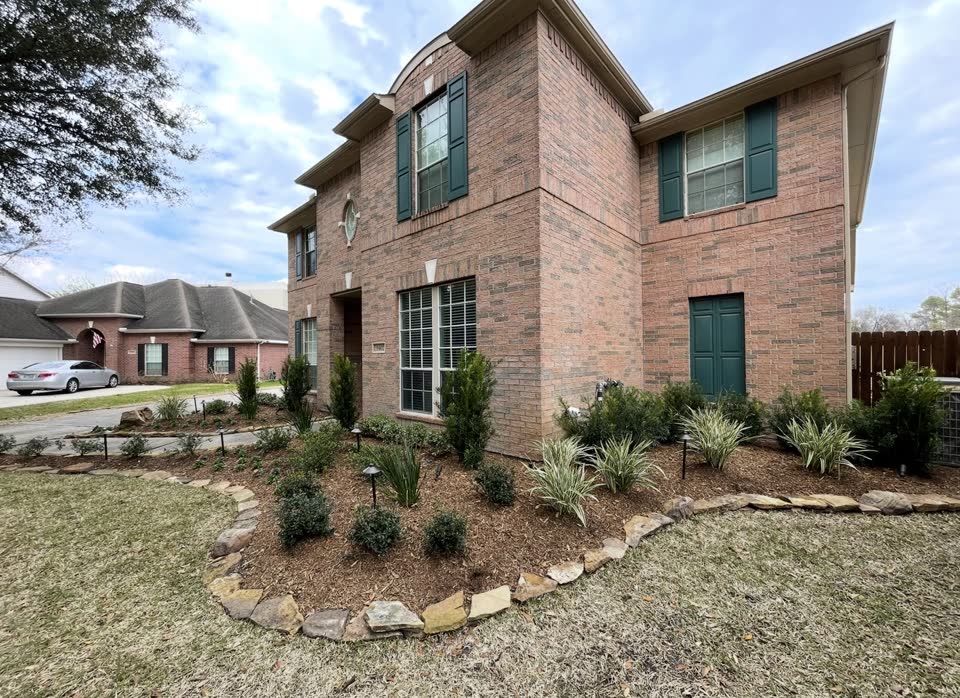
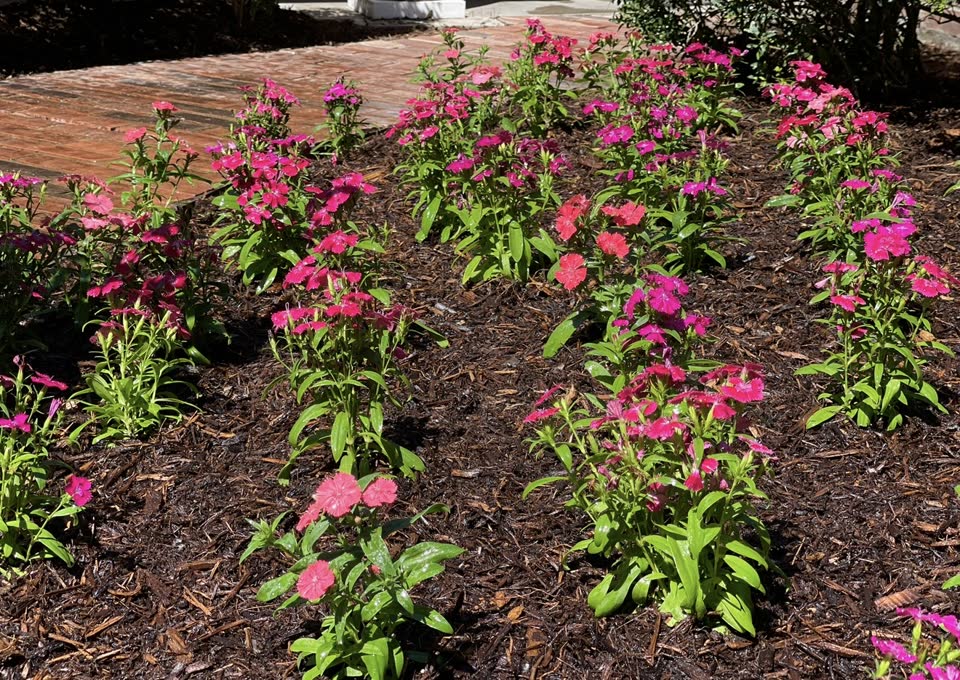
Danny's Landscaping did a great job for both our front flower beds and installing gravel walkway on side of the house. The crew was very professional and kept me informed of the work progress and next steps.
Craig Jones
Google review
Danny paid attention to all of our requests and made thoughtful suggestions that improved the final results. Would highly recommend to anyone looking to have quality work done for their outdoor living space.
Angel Calderon
Google review
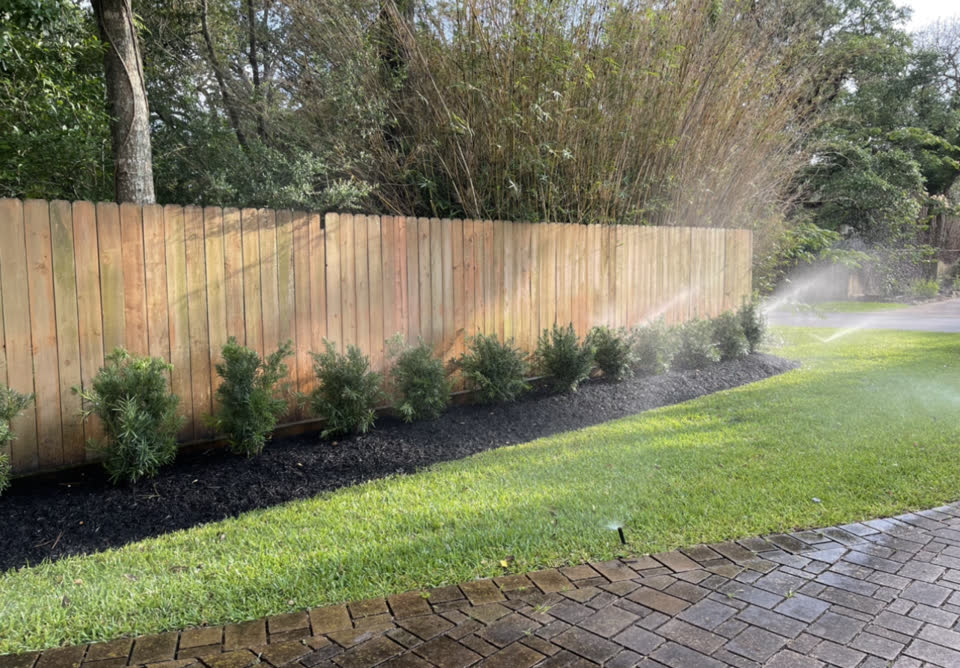
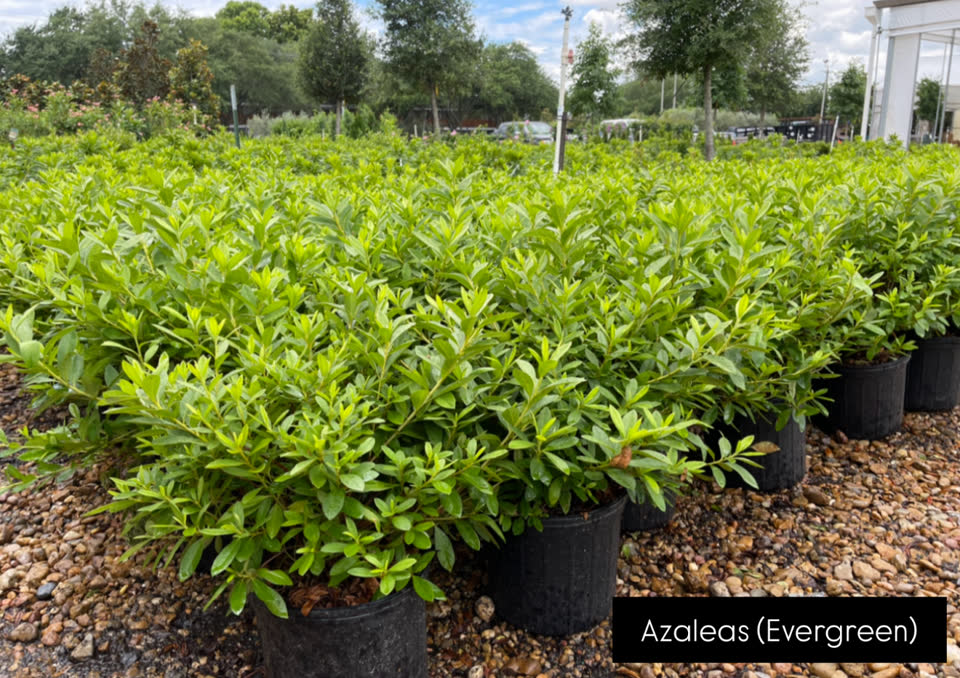
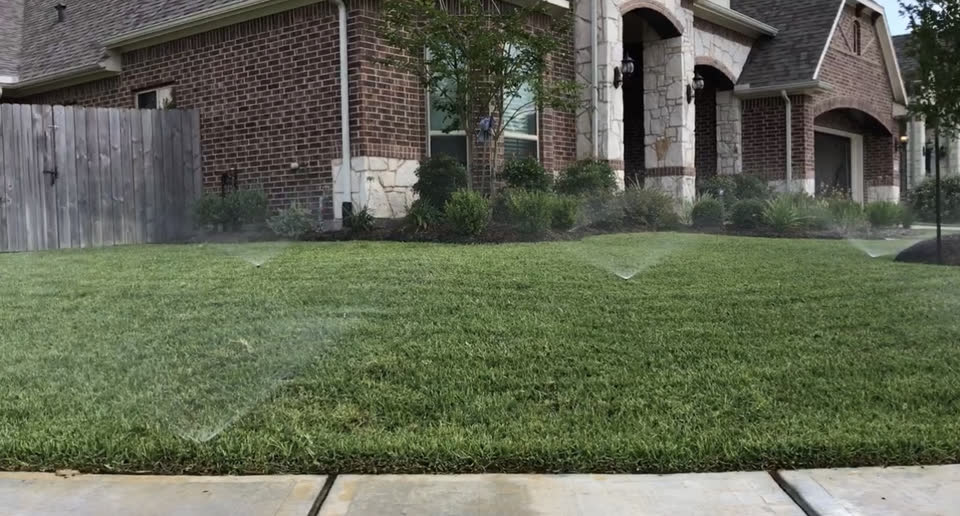
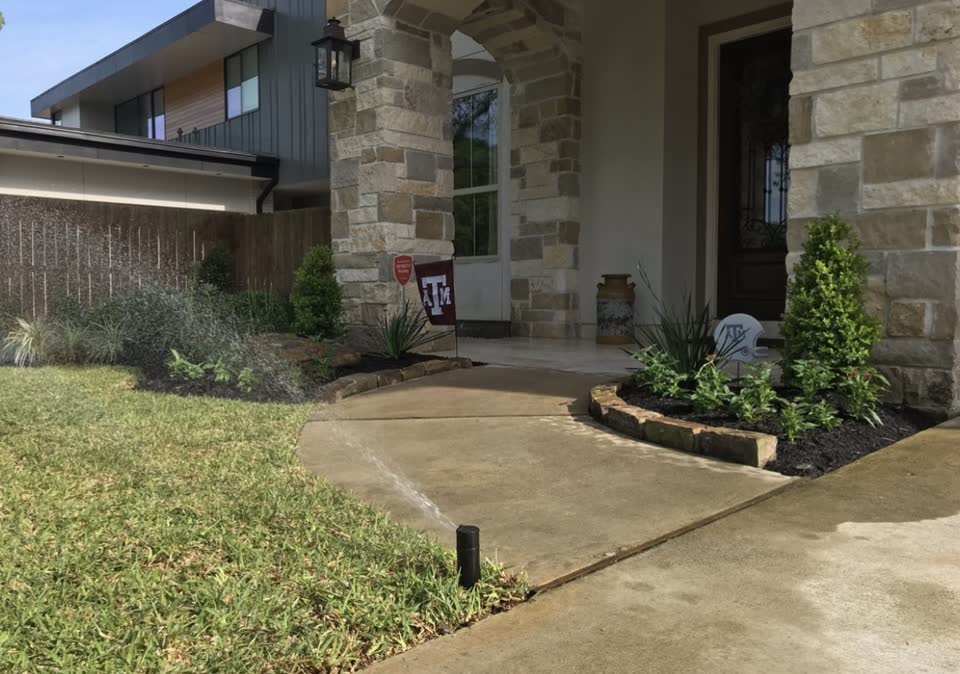
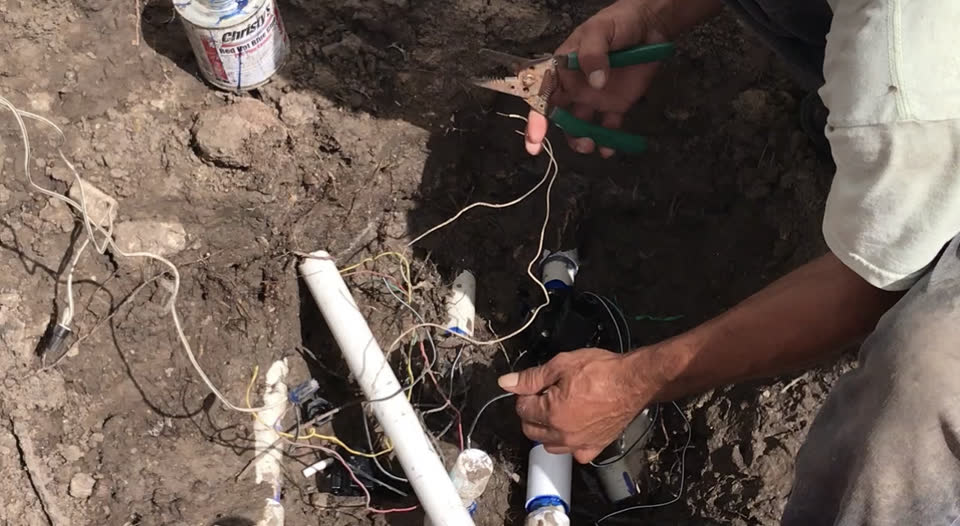
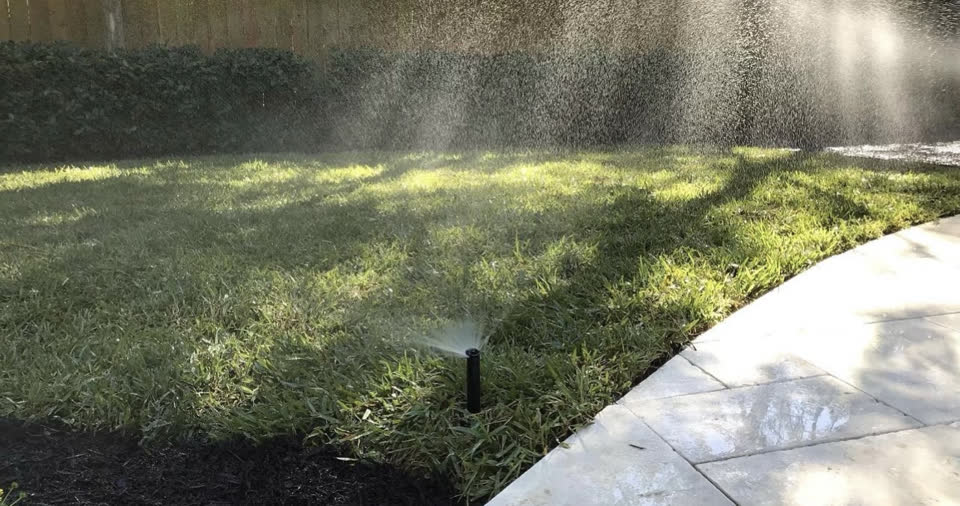
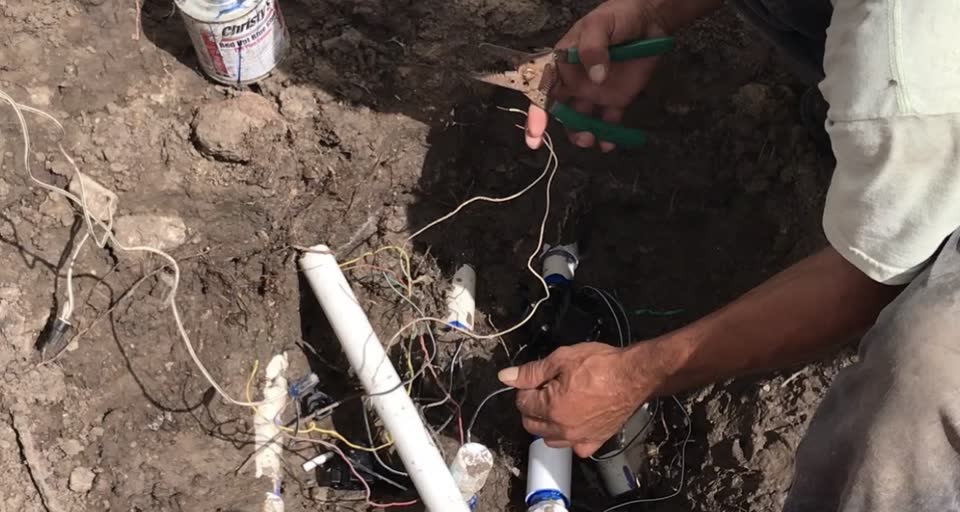
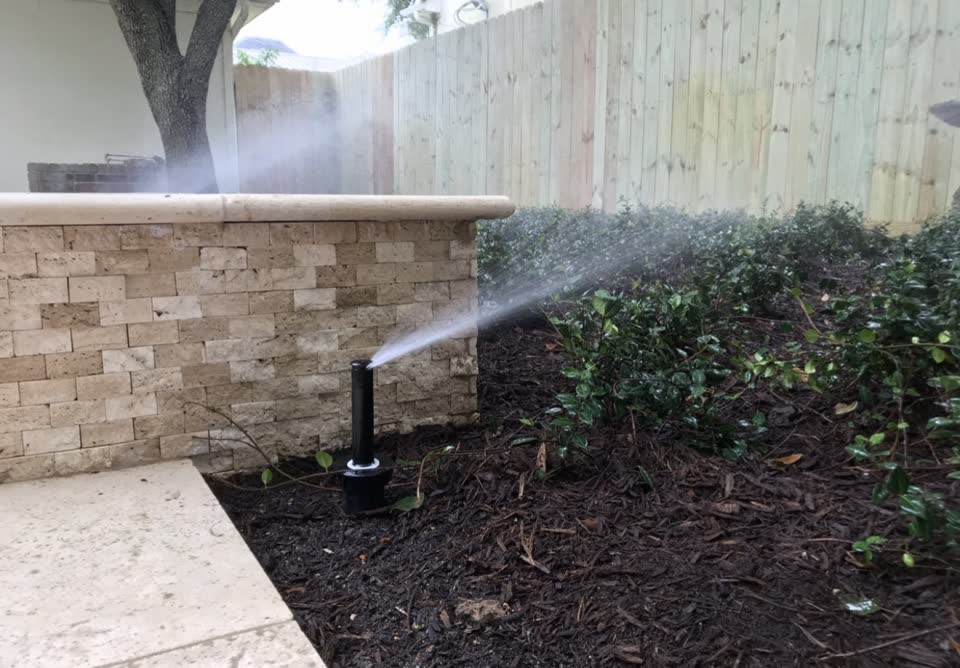
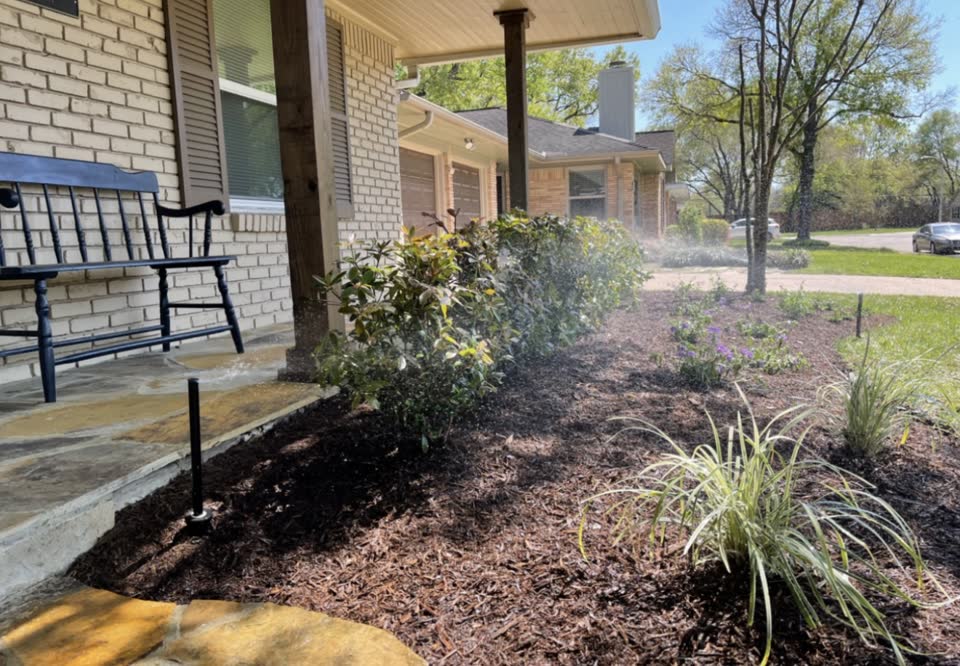
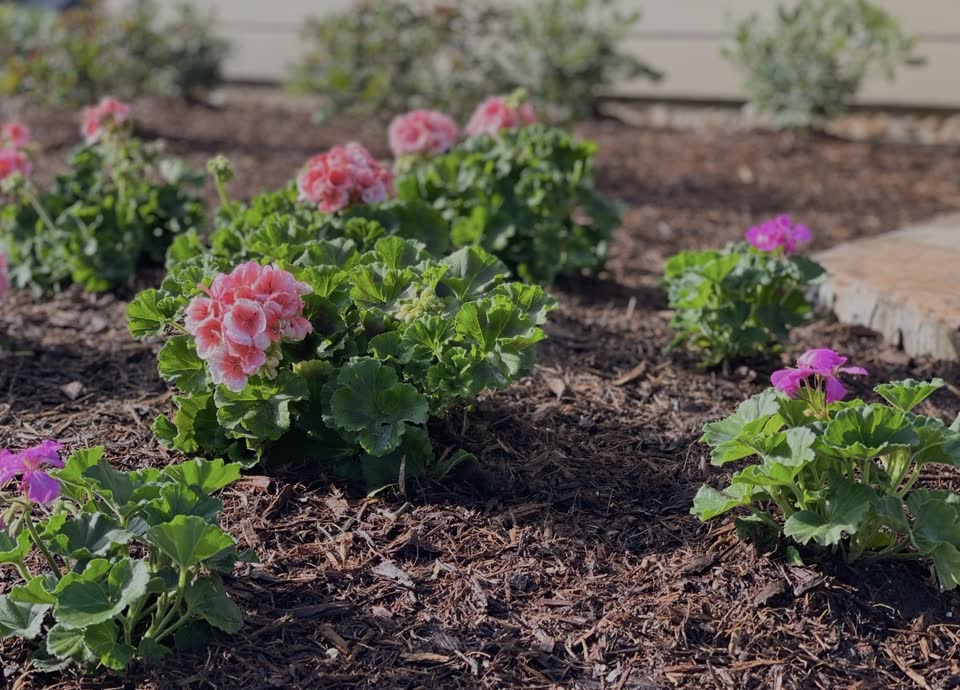
Professional, dependable, and detail oriented. Danny and his team did an amazing job on our new home's landscaping, including beautiful low-maintenance flower beds and a sprinkler system.
Gigi Hernandez
Google review
Houston homeowner
Professional, dependable, and detail oriented. Danny and his team did an amazing job on our new home's landscaping, including beautiful low-maintenance flower beds and a sprinkler system.
Gigi Hernandez
Google review
He took his time to understand what we wanted, provided options and a mock up design. He had excellent communication and delivered with the quality of his work.
Paul Kristen Johnson
Google review
Accurate bid, very easy to work with, clear lines of communication, show up when they say they are, finished within schedule around our crazy Houston weather.
Joseph Alexander
Google review
Danny and his crew are true professionals. From the start the communications were returned in a timely manner and were clear and transparent. The work he did on my yard was top notch and looks great.
Ian Engard
Google review
Danny did a great job on our backyard overhaul. Customer service was above and beyond and the quality of work was great. Will be my go to for landscaping needs in future.
Sarah Cloos
Google review
This is a remarkable transformation of a plain small backyard. The plants and beautiful crepe Myrtles. Professional stone work.
Jennifer Taylor
Google review
Danny's team did a great job replacing our concrete walkway with cobblestone. They were attentive to details and made sure the adjoining landscape was cleaned up and manicured to look amazing.
Ivan Sue
Google review
Danny's Landscaping did a great job for both our front flower beds and installing gravel walkway on side of the house. The crew was very professional and kept me informed of the work progress and next steps.
Craig Jones
Google review
Danny paid attention to all of our requests and made thoughtful suggestions that improved the final results. Would highly recommend to anyone looking to have quality work done for their outdoor living space.
Angel Calderon
Google review
Professional, dependable, and detail oriented. Danny and his team did an amazing job on our new home's landscaping, including beautiful low-maintenance flower beds and a sprinkler system.
Gigi Hernandez
Google review
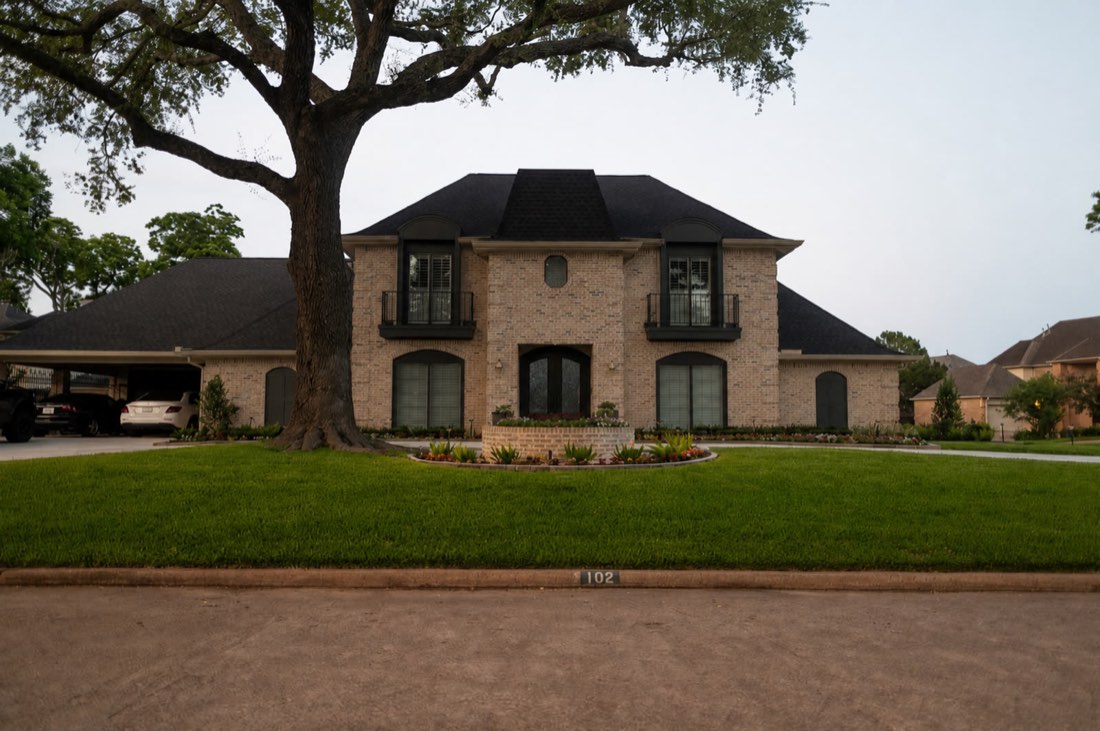
Outdoor lighting
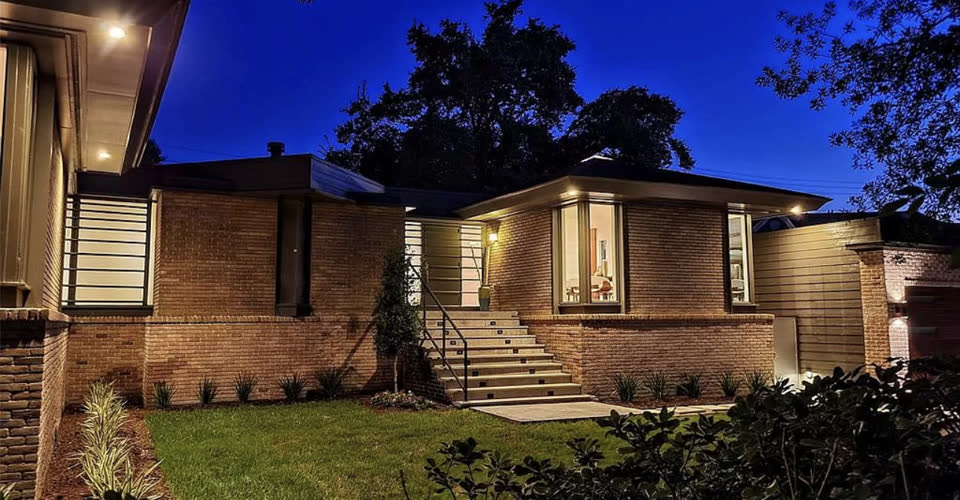
The same front yard in day and night. We plan low-voltage lighting with the landscape so paths stay safe and the house still looks finished after sunset. Use the toggle to compare.
how it works
For landscaping in Houston, the sequence stays the same: consultation on your lot, custom 2D/3D design with an itemized quote, professional install, then a final walkthrough. No surprise scope on the quote — we walk it with you before we call it done.
Step 01
We start with a conversation at your property. We listen to your ideas, assess your needs, and provide expert recommendations to shape a clear vision for your project.
Step 02
Our team creates a detailed design, often including 2D or 3D visuals, along with a transparent, itemized quote. You'll know exactly what to expect. No surprises.
Step 03
Our skilled and courteous crew brings the design to life, using high-quality materials and meticulous craftsmanship. We manage every detail, from ground prep to the final plant.
Step 04
Your satisfaction is our priority. We conduct a final walkthrough to ensure every detail is perfect and provide you with guidance to keep your new landscape thriving for years to come.
proudly serving
Landscaping in Houston and nearby cities — Katy, Fulshear, Cypress, Spring, The Woodlands, Sugar Land, Pearland, Memorial, and more. Tap a city for a local page, or open the full service-area list.
proof
We are a family-owned business founded on a commitment to quality, integrity, and customer satisfaction.
You'll know exactly what to expect. No surprises.
questions
next step
Ready to plan landscaping in Houston or Greater Houston? Call (713) 514-3537, email danny@dannyslandscapingtx.com, or send the work request form. You will get a conversation, a design you can see, and an itemized quote — not a surprise invoice.
Danny's Landscaping · 8619 Daycoach Ln, Houston, TX 77064 · (713) 514-3537 · danny@dannyslandscapingtx.com · License LI0029564
Text (713) 514-3537The work request form loads when you scroll here.