Storm Recovery: How to Restore Your Landscape After Heavy Rain
After days of torrential downpours, many Greater Houston homeowners step outside to find soggy lawns, eroded beds, leaning trees, and standing water where it never pooled before. Houston’s frequent heavy rains, especially during hurricane season, test even well-established landscapes.
Danny’s Landscaping, a family-owned business with over 30 years serving the Greater Houston area, has helped countless neighbors in Katy, Sugar Land, The Woodlands, and beyond recover and strengthen their outdoor spaces. This guide shares practical, Houston-specific advice for storm recovery so you can restore beauty and function to your property while building long-term resilience.
Why Storm Recovery Matters in Houston Landscapes
Heavy rain events quickly expose vulnerabilities in local yards. Standing water stresses roots, compacts clay soil, and can wash away mulch and topsoil. Without proper attention, minor issues turn into bigger problems like foundation moisture concerns, diseased plants, or repeated flooding.
Thoughtful storm recovery protects your investment, improves drainage, and helps your landscape handle future Gulf Coast weather patterns more effectively. Early action supports faster recovery and reduces long-term maintenance needs.
Houston’s Climate and Soil Challenges After Storms
Houston’s subtropical climate (USDA Zone 9a/9b), clay-heavy soils, flat topography, and proximity to the bayou system create unique recovery needs. After heavy rain, Harris County flooding patterns often leave yards saturated for days, especially near Buffalo Bayou, Barker Reservoir, or along the Katy Freeway corridor.
In neighborhoods like Cinco Ranch, Memorial, or Clear Lake, water pools easily in low spots. Suburbs such as Cypress, Pearland, Spring, and Kingwood frequently see erosion along slopes or around new construction. Summer heat following storms speeds up evaporation but also bakes compacted clay, making it harder for roots to breathe.
These conditions highlight why drainage solutions and climate-appropriate plants are essential parts of any effective storm recovery plan.
Step-by-Step Guide to Landscape Restoration After Heavy Rain
Follow these practical steps once it is safe to work in your yard (avoid walking on very soggy soil to prevent further compaction).
- Assess and Document Damage — Walk your property and note eroded areas, standing water, damaged plants, leaning trees, and washed-out mulch. Take photos for insurance or future reference. Check around foundations for water accumulation.
- Clear Debris Safely — Remove broken branches, leaves, and storm litter. For larger limbs or damaged trees, consult a professional to avoid injury or further property damage.
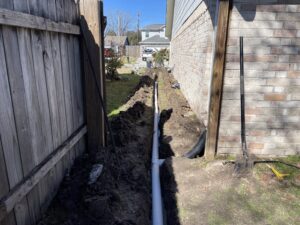
- Address Drainage and Grading — Identify persistent puddles. Gentle re-grading or adding French drains can direct water away from structures. In clay soil, aeration helps relieve compaction.
- Restore Soil Health — Once workable, incorporate compost or expanded shale to improve structure and drainage. Topdress lawns lightly with compost to replenish nutrients washed away by rain. Avoid heavy fertilization until plants show recovery signs.
- Prune and Care for Plants — Trim broken or damaged branches cleanly. Remove heavily saturated or rotting material from shrubs and perennials. Stake leaning small trees or shrubs if needed, but allow time for roots to re-anchor.
- Replant and Mulch — Replace lost sod or plants with Houston-adapted varieties that handle both wet and dry periods. Apply fresh mulch to conserve moisture and prevent erosion, keeping it away from plant stems.
- Monitor and Maintain — Watch for signs of stress or disease over the following weeks. Consistent irrigation adjustments and ongoing care support stronger recovery.
These steps form the foundation of effective storm recovery for most Greater Houston properties.
When to Call a Professional for Storm Recovery
While many homeowners handle light cleanup themselves, extensive damage benefits from experienced help. Danny’s Landscaping team brings 30+ years of local knowledge to properties across Houston, Katy, Sugar Land, The Woodlands, and surrounding areas.
Whether you need drainage evaluation near George Bush Park, tree assessment in River Oaks, or full landscape restoration after flooding along I-45, our transparent four-step process ensures clear communication and itemized quotes with no surprises.
We manage everything from initial assessment through final walkthrough, using practical solutions tailored to Houston’s environment.
Get your free consultation — we’re happy to take a look and discuss options that fit your property and goals.
After a major rain event, proactive storm recovery helps your landscape bounce back healthier. Danny’s Landscaping is here to support Greater Houston homeowners with reliable, quality-focused service.
Call (713) 514-3537 today to schedule your free property assessment. Let us help restore and strengthen your outdoor space.
FAQ
Q: How soon after heavy rain should I start storm recovery on my Houston lawn?**
A: Wait until the soil is no longer saturated and workable — usually a day or two after rain stops. Walking on soggy ground compacts clay soil and slows recovery. Begin with debris removal and assessment, then move to drainage and soil work.
Q: Will my grass come back after flooding in Houston?**
A: Many established lawns recover well if flooding is brief. Remove silt, aerate compacted areas, topdress with compost, and monitor for disease. Severe or repeated flooding may require sod replacement in low spots. Houston-adapted grasses like St. Augustine often rebound with proper care.
Q: What are signs of storm damage to trees and shrubs in Greater Houston?**
A: Look for leaning trunks, cracked branches, exposed roots, or standing water around the base. Leaves may yellow or wilt. In areas near the Energy Corridor or Memorial Park, high winds combined with saturated soil increase uprooting risk. Professional evaluation is safest for larger trees.
Q: How can I improve drainage in my yard to prepare for future storms?**
A: Solutions include re-grading, French drains, rain gardens, or soil amendments. In clay-heavy neighborhoods like Missouri City or Humble, these prevent repeated pooling. A professional assessment identifies the best approach for your specific site.
Q: Should I fertilize right after heavy rain in Houston?**
A: It is usually best to wait until plants show active growth and soil has dried. Nutrients can wash away or stress recovering roots. Focus first on drainage, aeration, and compost to rebuild soil health naturally.